
Can Hospitals Reduce Waste Disposal Costs Without Breaking Compliance in Austin?

Hospital waste costs rarely show up in one big lump—they slip through department cracks, pile up in overlooked pickups, and snowball over time. Many Austin hospitals don’t realize how much they’re overspending until the numbers get audited. By then, you’ve already lost money. That’s where we come in. At remedi, we specialize in helping hospitals in Austin, Texas with medical waste management, by finding those cost leaks and fixing them without sacrificing safety or compliance.
Here are the most common reasons hospital waste costs spike:
Overuse of Red Bag Liners
Red bags are meant for regulated medical waste. But too often, staff toss all kinds of non-hazardous items in there—gloves, gowns, paper wrappers—because it’s easier. That convenience ends up costing hospitals more than they realize. When red bags fill up too fast with the wrong materials, you’re paying biohazard-level prices for regular trash.
Daily Pickups With Low Fill Rates
A lot of hospitals in Austin are stuck in outdated pickup contracts that don’t match their actual waste volume. If you’re scheduling daily or high-frequency pickups but only filling containers halfway, you’re burning through your budget. We’ve worked with several hospitals to realign pickup frequency with true waste generation using our audit process.
Improper Sharps Segregation
Needles and sharps need to go indedicated sharps containers. But when departments start tossing sharps into red bags or general bins, it not only causes compliance problems—it also increases disposal costs. Cross-contamination adds extra handling fees, and it can lead to citations.
Over Classifying Waste
Some departments label all pharmaceutical waste as hazardous—even when it doesn’t qualify under RCRA or state guidelines. That mistake drives up disposal costs significantly. We help hospitals avoid this through accurate categorization andpharmaceutical waste management services.
Missed Opportunities for Streamlined Waste Handling
Every department has different needs. What works for your ER won’t work in the lab or pharmacy. That’s why we help hospitals implement tailored waste programs. Using ourhealthcare hazardous waste disposal systems, we help you reduce waste without skipping legal requirements.
By reviewing just a few high-traffic areas and aligning them with smarter container use and scheduling, we’ve helped hospitals lower costs by up to 30%—without a single cut to compliance or patient safety.
Key Compliance Areas That Cost Hospitals The Most
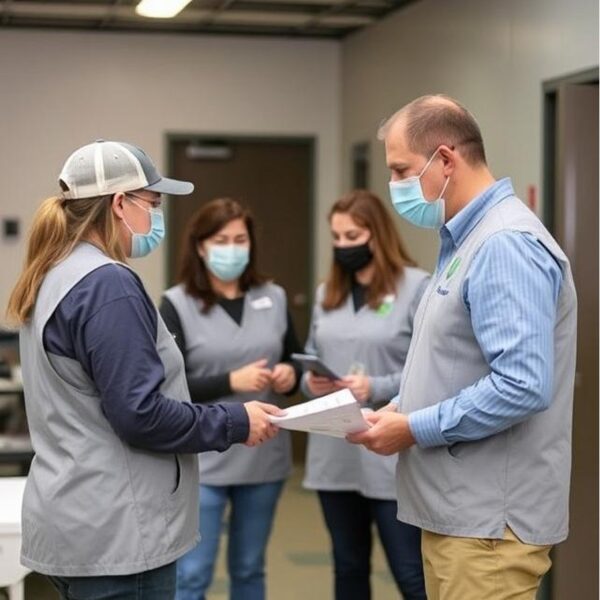
Running a compliant hospital in Austin means staying ahead of more than just waste pickups. You also have to protect patient data, follow DOT shipping laws, keep your OSHA logs up to date, and avoid letting staff training lapse. If even one of those breaks down, it can trigger fines, audits, or worse—lawsuits.
Hospitals often come to us after being hit with compliance penalties that could have been prevented with the right system in place. At remedi, we don’t just manage waste—we help hospitals build compliance into the foundation of their operations.
Let’s look at four high-risk areas that silently drive up waste-related costs:
HIPAA Breach Risks
Misplaced or mishandled patient records, prescription labels, or lab slips can all trigger a HIPAA violation. These usually come with a heavy fine. We help avoid that throughsecure document destruction services that ensure sensitive data is shredded and tracked.
DOT Labeling Errors
When you’re shipping hazardous or pharmaceutical waste, everything from the color of the label to the exact classification must match federal DOT requirements. Hospitals that skip these steps often face shipment rejections or legal issues. Our compliance team walks facilities through proper container setup and labeling protocols using ourHIPAA and OSHA training.
Container Mismanagement
Too many hospitals treat containers as “set-it-and-forget-it.” But when bins go unlabeled, lids don’t close properly, or regulated materials get mixed, you risk violations during inspection. We help monitor and rotate bins using our internal compliance audits so nothing slips through.
Expired Staff Training
Hospital staff need regular, documented OSHA and HIPAA training. If your logs are out of date, you risk serious fines during state inspections. Ourcompliance solutions include refresher courses and systemized logs, so you stay covered year-round.
We build waste and compliance plans that solve both cost and risk at the same time. It’s not just about avoiding fines—it’s about giving your team peace of mind.
How remedi Builds Cost-Effective Waste Plans
Hospitals want to reduce waste disposal costs, but too often, they go straight to budget cuts without solving the real issue. Overspending usually isn’t about how much waste a hospital has—it’s about how that waste is handled. That’s where we step in. At remedi, we design medical waste programs that cut unnecessary costs while keeping you fully compliant with Texas regulations.
We don’t push one-size-fits-all plans. We walk through your facility, department by department, and build a strategy that fits how your teams actually operate. If you’re looking to fix overspending, it starts with visibility and custom planning.
We’ve helped hospitals in Austin make smarter decisions by adjusting service frequency and container use.
Here’s how we help hospitals lower costs without compromising care or compliance:
Facility Walkthroughs That Catch Waste Leaks
We take the time to evaluate where waste costs are creeping in. That includes checking red bag overuse, container placement, and miscategorized materials. We often find hospitals tossing regular trash into regulated medical bins, driving up disposal fees. When we identify these leaks, we offer simple fixes that make an immediate difference.
We’ve worked with surgical centers and labs that were overspending due to poor setup. Our walkthroughs help prevent that.
Matching Pickups to Real Waste Volume
Scheduling daily pickups for containers that are half empty doesn’t make sense. But it happens all the time. That’s why we adjust pickup schedules based on department usage and fill levels. It’s a small change that creates big savings. Ourmail-back container service can also reduce pickups for departments with lower volume, like outpatient clinics or pharmacies.
Supplying the Right Containers for Each Waste Type
Hospitals often struggle with choosing the right container for the job. Hazardous medications, regulated medical waste, and sharps each need different storage—and using the wrong one leads to higher disposal costs and possible violations. We guide you through selection, including compliant options forpharmaceutical waste disposal andhealthcare hazardous waste.
We also help streamline chemical disposal, including chemotherapy drugs and P-listed waste, with accurate labels and logs.
Real Support, Not Just a Pickup
Our team stays involved after the plan is live. We provide documentation, reporting, and help maintain compliance across your staff. We support pharmacy and lab waste strategies, sharps segregation, and custom plans for urgent care units.
Looking for support beyond disposal? OurHIPAA and OSHA compliance training ensures your team stays current on regulations, reducing risk of fines and costly errors.
Hospital Departments With the Most Waste Challenges

Reducing hospital waste costs starts with knowing where the biggest problems are. Not all departments are equal—some produce more waste naturally, while others become cost drivers due to poor habits or lack of training. We help hospitals fix these problem areas by focusing on the departments that generate the most waste, risk, and expense.
Hospitals that use our programs often see savings just by correcting habits in these four places:
Operating Rooms Burn Budget Quickly
Surgical teams are fast, and waste gets tossed quickly. Gowns, gloves, and even clean items get thrown into red bags just to keep the flow going. Over time, this becomes a massive drain on your waste budget. We help ORs implement smart bin placements and labeling systems that reduce misuse without slowing down the team.
Facilities managing outpatient surgery can take advantage of ourambulatory surgical center waste solutions, which are built around the high-volume, high-speed needs of ORs.
ER and Urgent Care Waste Is Hard to Manage
Emergency rooms and urgent care units deal with unpredictable waste. Sharps, bodily fluids, meds, and general trash all flow through these spaces in a matter of minutes. We often find sharps mixed into red bags or unused medication tossed as general waste. That creates high costs and compliance risks.
We reduce risk and cost with bettersharps waste programs and supply hospitals with pre-labeled, department-specific containers.
Outpatient Pharmacies Are Often Overlooked
Pharmacy waste may not be high volume, but it’s high risk. Expired narcotics, returned meds, and packaging waste must be handled with care. We’ve helped facilities bring pharmacy waste under control usingcontrolled substance disposal options like secured pickup or mail-back containers.
We also support labeling and storage for returned meds and expired over-the-counter drugs through ourpharmaceutical waste disposal service.
Diagnostic Labs Drive Up Hidden Costs
Labs use chemicals, sharp tools, and various testing media—all of which create specialized waste streams. We often find these departments lacking in standardized practices. That means more violations, reclassification costs, and compliance issues.
We offer customized support forclinical waste disposal to help labs stay organized, compliant, and budget-friendly.
When hospitals target these high-impact departments with smarter waste plans, the savings follow. We’re here to help fix what’s not working—and build systems that last.
What Makes A Hospital Waste Program “Compliant”?
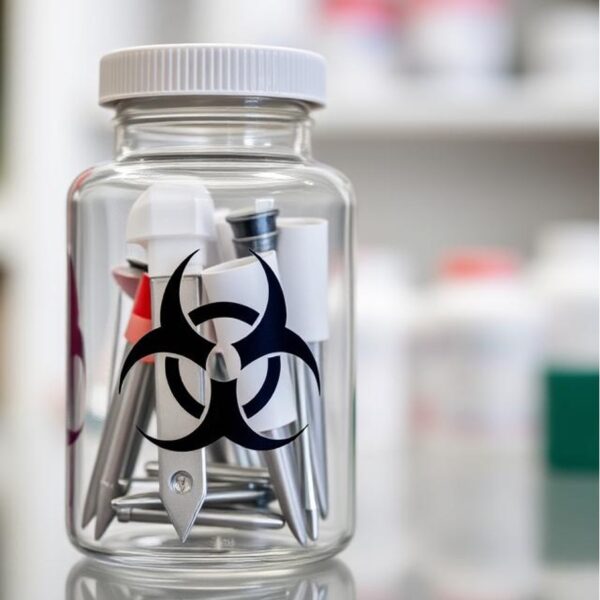
Too many hospitals assume their waste program is compliant just because they haven’t been fined yet. But real compliance isn’t passive—it requires active tracking, updated training, and clear processes. We’ve seen facilities in Austin fall out of compliance simply because their logs weren’t updated or their containers weren’t labeled correctly. That’s why we help hospitals build waste programs that actually meet the mark—on paper and in practice.
At remedi, we don’t just collect waste. We help you run a fully compliant hospital waste program from top to bottom. That means more than pickups. It means building and maintaining the documentation that keeps regulators off your back and your staff protected.
Hospitals that use ourcontrolled substance disposal services orsecure document destruction services know how critical it is to stay ahead of audits. We bring that same precision to every part of your waste strategy.
SOPs That Match What’s Really Happening
We start by writing standard operating procedures (SOPs) based on your actual waste flow, not generic checklists. These documents cover what types of waste your hospital produces, how each stream is handled, and how often each task should be done. If the TCEQ or an inspector walks in, your team won’t scramble—they’ll have it all documented.
We also help tailor SOPs for specific departments likedialysis units orambulatory surgical centers that have different compliance demands.
Staff Training That Doesn’t Expire
Many hospitals fall into non-compliance because someone forgot to renew training. We make sure your team completesHIPAA and OSHA compliance training on schedule—and that those logs are easy to access when you need them.
We’ve seen hospitals in El Paso and San Antonio pass audits with zero findings because their compliance logs were clean and updated. Our process keeps you on track with refresher reminders and electronic storage of records.
Real Audit Trails—No Guesswork
Regulators want to see where waste was created, where it went, and how it was destroyed. That means maintaining an audit trail from the moment something is tossed to the final manifest. We help you organize all those moving parts—frombiohazardous waste topharmaceutical waste.
We include QR-code manifests, digital logs, and department-level tracking so there’s no breakdown in the chain of custody. Whether it’s chemo waste from a pharmacy or sharps from an ER, it all gets tracked properly.
Container Management With No Surprises
Waste containers are one of the easiest places for compliance to go wrong. We’ve seen labels missing, overfilled bins, or incompatible containers used for hazardous materials. We make sure you’re using the rightsharps containers, liners, and collection bins—and that they’re placed where staff actually need them.
Each container gets mapped, labeled, and added to a regular inspection routine. We even support remote teams usingmail-back containers that are fully compliant for smaller clinics or specialty departments. We don’t wait for problems to show up. Contact us and we’ll fix them before they cost you.