
Where Does Biohazard Waste Go? Understand Every Step From Pickup to Final Disposal
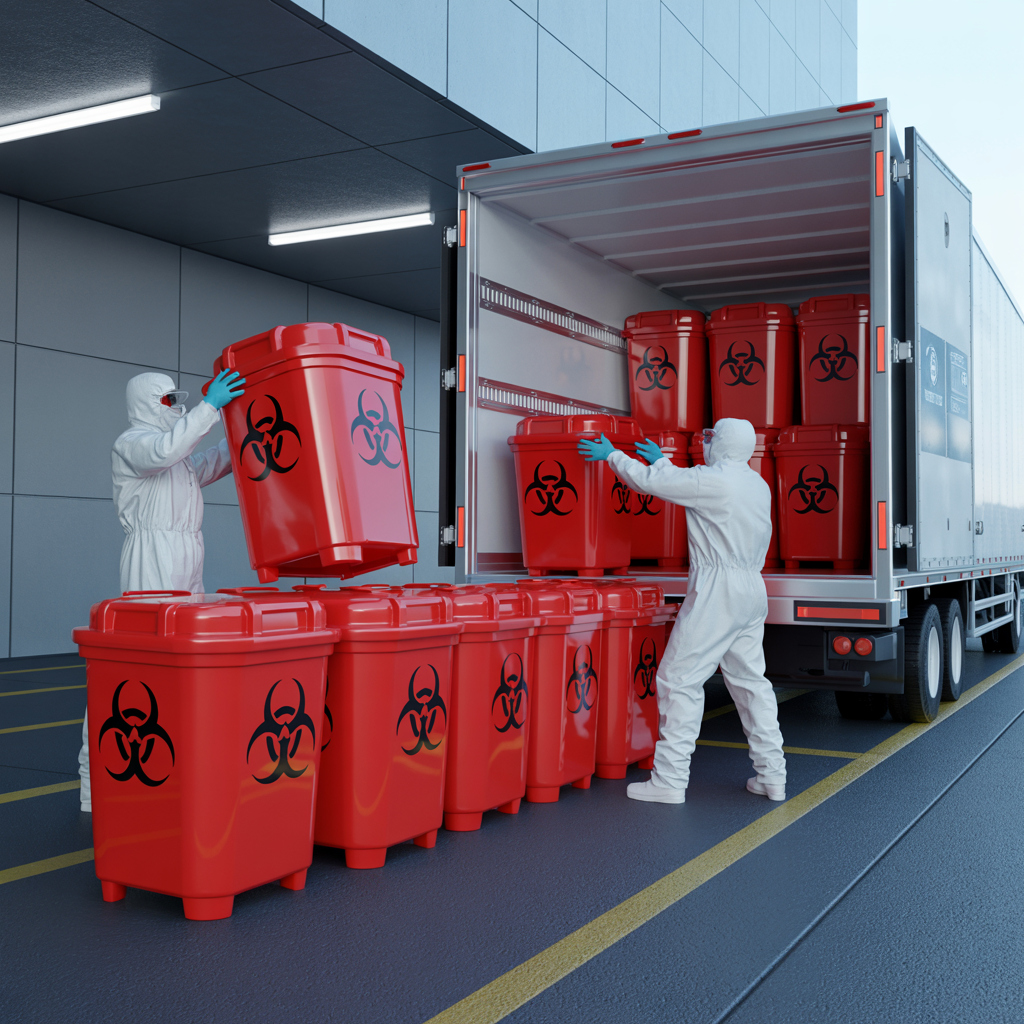
Once biohazard waste leaves your healthcare facility, its journey is just beginning. It doesn’t simply go to a regular landfill like your everyday trash. Instead, it enters a highly regulated and controlled process designed to safely neutralize its hazardous properties and ensure proper disposal. Understandingwhere does biohazard waste go after pickup is crucial for facilities aiming for full compliance and peace of mind. Every step in this biohazard waste disposal process is governed by strict federal and state regulations, ensuring public health and environmental protection.
What Happens to Biohazard Waste After It Leaves a Facility?
After collection by a licensed waste management provider like remedi, your biohazard waste is transported in specialized vehicles. These vehicles are designed to contain the waste securely, preventing spills or exposure during transit. The waste is typically taken to a central transfer station or directly to a permitted treatment facility. This initial stage is crucial for maintaining the integrity of the biohazard waste disposal process for industries such asclinical waste disposal Texas ornursing home medical waste disposal. For instance,medical waste disposal companies follow strict Department of Transportation (DOT) guidelines for safe transport. For reliable collection, many facilities choose to partner with remedi.
Every container of waste is carefully tracked, ensuring accountability from your facility to the final destination. This transparent chain of custody is a key part of answeringwhere medical waste is taken and why its journey is so controlled. remedi prides itself on a secure and compliant collection and transport system, ensuring your biohazard waste starts its disposal journey correctly. To learn more about remedi’s collection process, consider reaching out tous.
How Is Biohazard Waste Transported and Tracked?
The transportation and tracking of biohazard waste are among the most critical steps in the entire biohazard waste disposal process. Because of the inherent risks associated with infectious materials, there are stringent rules to ensure that waste is moved safely and accounted for every step of the way. When askingwhere does biohazard waste go, the transport phase is where specialized handling truly begins. remedi excels in this complex area.
Secure Transport and Manifesting
Biohazard waste is transported in specially designed vehicles that are clearly marked and capable of containing any potential spills or leaks. These vehicles are operated by trained and licensed personnel who understand all protocols for handling medical waste. Key aspects of transport include:
- Permitted Vehicles: Transport vehicles must meet specific design and safety standards and are often regulated by state environmental agencies and the DOT. This applies to operations likehealthcare medical waste disposal companies Arizona. remedi’s fleet is fully compliant.
- Trained Personnel: Drivers and handlers receive specialized training in hazardous waste management, emergency response, and safe handling procedures, often reinforced by programs likehipaa osha compliance training Texas. remedi invests heavily in staff training.
- Manifest System: A crucial part of the biohazard waste disposal process is the manifest system. This is a multi-part tracking document that accompanies the waste from the point of generation to its final treatment and disposal. It records:
- The type and quantity of waste.
- The generator’s information.
- The transporter’s information.
- The receiving facility’s information.
This manifest ensures “cradle-to-grave” tracking, so there’s always a record ofwhere medical waste is taken. This system is a legal requirement designed to ensure accountability and prevent illegal dumping. remedi strictly adheres to all transport and manifesting regulations forhealthcare hazardous waste disposal and beyond, providing you with verifiable documentation of your biohazard waste disposal process. This way, you always knowwhere does biohazard waste go. For more details on our secure transport, feel free tocontact remedi.
What Treatment Methods Are Used to Neutralize Biohazard Waste?
After transport, biohazard waste doesn’t go straight to a landfill. It must first undergo a rigorous treatment process to neutralize its infectious properties. This crucial step is designed to eliminate pathogens and render the waste safe for final disposal, answering a key part ofwhere does biohazard waste go. The choice of medical waste treatment method depends on the type of waste, but the goal is always to make it non-infectious. remedi ensures proper treatment is always applied.
Common Medical Waste Treatment Technologies
Several proven technologies are used for medical waste treatment, ensuring that the biohazard is neutralized. The most common methods include:
- Autoclaving (Steam Sterilization): This is one of the most widely used methods. Autoclaving uses high-pressure saturated steam to kill microorganisms. The waste is loaded into a large chamber, heated to high temperatures (typically 250-275°F or 121-135°C), and subjected to high pressure for a specific duration. This method is highly effective for most types of infectious waste, including red bags and sharps from services likesharps waste management and disposal, before it is ready for final disposal.
- Incineration: This method involves burning the waste at very high temperatures. Incineration is particularly effective for pathological waste, some pharmaceutical waste, and waste that contains high concentrations of infectious agents. While it completely destroys the waste and pathogens, it requires strict air pollution controls. This is common for complex waste streams likecontrolled substance disposal.
- Chemical Disinfection: Certain liquid biohazard wastes can be treated with strong chemical disinfectants, like chlorine compounds, to neutralize pathogens. This method is more commonly used for liquid waste streams rather than solid medical waste.
- Microwave Treatment: This technology uses microwave energy to heat the waste, generating steam that sterilizes the material. It’s often used for solid biohazard waste from various facilities, including those performingdental medical garbage disposal.
Each of these medical waste treatment methods is designed to meet stringent regulatory standards for pathogen inactivation. remedi utilizes state-of-the-art medical waste treatment facilities, providing a comprehensive biohazard waste disposal process. We ensure that your waste is effectively neutralized, giving you confidence inwhere does biohazard waste go for its final, safe destruction. If you have questions about specific treatment methods, remedi is here to help; justcontact us.

What Role Do Waste Management Facilities Play in the Disposal Chain?
After your biohazard waste is collected and transported, it arrives at specialized waste management facilities. These are not just dumping grounds; they are crucial hubs in the biohazard waste disposal process, responsible for receiving, processing, and ultimately treating the hazardous materials. Their role is to ensure that all waste is handled safely and compliantly before it moves on to final disposal, providing a clear answer to where does biohazard waste go for processing. These facilities operate under stringent permits and undergo regular inspections to maintain high standards of safety and environmental protection, making them a vital part of the medical waste treatment journey.
Beyond Collection: Processing and Compliance
Waste management facilities are equipped to handle large volumes of diverse medical waste. Their key functions include:
- Reception and Segregation Verification: Upon arrival, waste is checked to ensure it is properly packaged and labeled. This verification is critical for confirming that the initial sorting at the generator’s facility, such as aphysicians’ office sharps disposal Texas, was done correctly.
- Temporary Storage: Waste might be temporarily stored in secure, controlled environments within the facility before treatment. These areas are designed to prevent any release or exposure.
- Preparation for Treatment: Depending on the chosen medical waste treatment method, waste might be further processed, such as sorting or shredding, to prepare it for neutralization. This ensures the treatment is as effective as possible.
- Compliance Oversight: These facilities are experts in all regulations, fromhealthcare medical waste disposal companies rules to specific state environmental guidelines. They ensure that every step complies with the law.
remedi operates with and partners with top-tier waste management facilities that are fully permitted and adhere to the highest industry standards. This partnership ensures that when you askwhere does biohazard waste go, you know it’s going to a place where safety and compliance are paramount. Our goal is to make the entire biohazard waste disposal process seamless and worry-free for your facility. For details on our partners, feel free tocontact remedi.
How Is Final Disposal of Treated Medical Waste Carried Out?
Once medical waste has gone through its necessary treatment — whether through autoclaving, incineration, or other methods — it is no longer considered infectious. This neutralized waste then undergoes its final disposal. The question ofwhere does biohazard waste go for good is answered here: it’s typically sent to a secure landfill specifically designed for treated waste, or the ash from incineration is disposed of. This final step completes the regulated medical waste treatment cycle, ensuring that once-hazardous materials are permanently removed from the environment safely.
Landfilling and Ash Disposal
For most medical waste that has undergone non-incineration treatment (like autoclaving or microwave sterilization), the final disposal method is a municipal solid waste landfill. However, there are strict requirements:
- Compacted and Encapsulated: The treated waste is often compacted and sometimes encapsulated to further minimize its volume and prevent dispersal.
- Secure Landfills: It is placed in landfills that meet specific environmental protection standards, ensuring that no leachate contaminates groundwater. These facilities are distinct from standard household garbage dumps and are regularly monitored.
If the medical waste treatment method was incineration, the remaining ash is then disposed of. This ash is often very dense and sterile, and it is also taken to a specially permitted landfill. The entire biohazard waste disposal process is designed to protect public health and the environment at every turn, even at the final resting place. remedi takes pride in ensuring that after your medical waste has been through comprehensive medical waste treatment, its final disposal is carried out with the highest standards of environmental responsibility. You can be confident inwhere medical waste is taken when you choose remedi.

How Can You Ensure Your Facility’s Waste Is Disposed of Responsibly?
Ensuring your facility’s biohazard waste is disposed of responsibly is more than just a good practice; it’s a legal and ethical obligation. With stringent regulations governingwhere does biohazard waste go and how the biohazard waste disposal process unfolds, partnering with the right provider is key. Your choice in a waste management company directly impacts your compliance, safety, and reputation. It’s about more than just pickup; it’s about a complete, compliant medical waste treatment and disposal solution.
Choosing the Right Disposal Partner
To guarantee responsible disposal, consider these crucial factors when selecting a waste management partner:
- Licensing and Permitting: Verify that the company is fully licensed and permitted by state and federal authorities (like TCEQ, DSHS, and DOT) to transport, treat, and dispose of medical waste. Reputable providers, like remedi, openly provide their credentials.
- Track Record and Reputation: Look for a provider with a proven history of compliance and excellent customer service. Check references and reviews. remedi has a strong reputation for reliable and compliant service across various industries, includingdialysis waste disposal Texas.
- Comprehensive Services: The best partners offer end-to-end solutions, from providing appropriate containers and scheduling regular pickups to ensuring propermedical waste treatment and final disposal. They should clearly outline their entire biohazard waste disposal process.
- Training and Support: A good provider will offer resources or training to help your staff understand proper segregation, packaging, and compliance forwhere does biohazard waste go. This can include guidance onhipaa osha compliance training Texas.
- Transparent Documentation: Insist on a clear manifest system and documentation for every waste pickup, proving that your waste reached its final, compliant destination. This paperwork is crucial for your records.
By choosing remedi, you’re not just getting a service; you’re gaining a partner committed to ensuring your facility’s waste is disposed of responsibly, legally, and safely. We understand preciselywhere medical waste is taken and how to manage the entire chain, from your door through to final, certified disposal. For a tailored solution for your medical waste needs, don’t hesitate tocontact remedi.