
What Goes in Red Biohazard Bags? Identify and Handle Infectious Waste Correctly
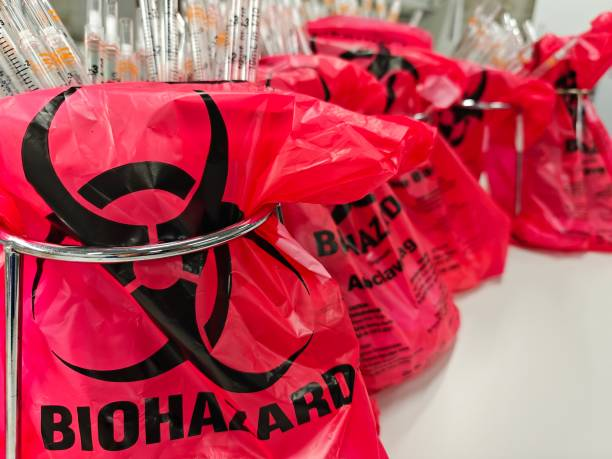
Understanding exactlywhat goes in red biohazard bags is crucial for any healthcare facility to ensure compliance and safety. These distinctive red bags are specifically designated for regulated medical waste, also known as infectious waste, which poses a potential risk of transmitting disease. Improperly sorting waste can lead to fines, health hazards, and environmental contamination. The rules forred bag medical waste are strict and enforced by state and federal regulations to protect everyone involved in the waste stream.
What Types of Waste Belong in Red Biohazard Bags?
Generally,red biohazard bag contents include materials that are saturated with blood or other potentially infectious materials (OPIM), or items that could release such materials if handled incorrectly.
- Liquid or Semi-Liquid Blood and Blood Products: This includes discarded blood from transfusions, laboratory samples, or surgical procedures.
- Items Saturated or Dripping with Blood/OPIM: Gauze, bandages, sponges, and other absorbent materials that are soaked or dripping with blood, semen, vaginal secretions, cerebrospinal fluid, synovial fluid, pleural fluid, peritoneal fluid, pericardial fluid, or amniotic fluid. This is a key part of defininginfectious waste disposal.
- Pathological Waste: Human tissues, organs, body parts (except teeth removed for dental purposes), and fluids removed during surgery, autopsy, or other medical procedures are always consideredred bag medical waste.
- Microbiological Waste: Cultures and stocks of infectious agents, culture dishes, and devices used to transfer, inoculate, or mix cultures.
It’s important to note that sharps (needles, scalpels) do not go directly into red bags; they require puncture-resistant sharps containers, although these containers often go into red-lined boxes for pickup. remedi provides comprehensive guidance onwhat goes in red biohazard bags, ensuring your facility’sinfectious waste disposal practices are fully compliant.
How Do You Know if Waste Is Infectious or Just Contaminated?
Distinguishing between waste that is simply contaminated and waste that is truly infectious is vital for correctred bag medical waste segregation. Not all waste that has come into contact with bodily fluids is automatically classified as infectious waste requiring a red bag. Over-bagging non-infectious waste can increase disposal costs unnecessarily, while under-bagging infectious waste poses significant health and compliance risks. Understanding the difference is key to efficient and safeinfectious waste disposal.
Key Distinctions for Waste Classification
The core difference often lies in the volume, potential for release, and presence of specific pathogens.
- Infectious Waste: This type of waste, which belongs in red biohazard bags, contains enough pathogens to pose a risk of disease transmission. Key indicators forwhat goes in red biohazard bags include:
- Saturation: Materials that are dripping, oozing, or can be squeezed to release liquid blood or OPIM.
- Culture Media: Items from microbiology labs used to grow infectious agents.
- Pathological Waste: Any human tissues or body parts.
- Contaminated, but Not Infectious Waste: Many items in a healthcare setting might have trace amounts of blood or bodily fluids but are not considered infectious for disposal purposes. For example:
- Bandages with Dried Spots: Bandages with a dried, small spot of blood that cannot flake off or be released are typically notred bag medical waste. They can often go into regular trash.
- Disposable Drapes with Minor Stains: Drapes or gowns with minor, non-saturated stains that wouldn’t release liquid blood if compressed.
- Diapers: While containing bodily fluids, diapers are typically municipal solid waste unless they contain visible amounts of liquid blood or other specific infectious materials from a known highly infectious source.
It’s about the potential for transmission. If there’s a reasonable likelihood of transmitting disease, it’sinfectious waste disposal territory. remedi helps facilities, fromveterinary waste disposal animal hospital Texas tophysicians office sharps disposal Texas, apply the correctred biohazard bag contents rules, offering training and compliant services. Contact remedi today for assistance with your waste classification needs.
What Are Common Mistakes in Red Bag Waste Sorting?
Even with clear guidelines, mistakes inred bag medical waste sorting are common and can have significant consequences. Mismanagement not only poses health risks but also leads to increased disposal costs and potential regulatory fines. Understanding these pitfalls is essential for improving yourinfectious waste disposal practices and ensuring thatwhat goes in red biohazard bags is always correct.
Avoiding Costly and Dangerous Errors
Common errors in sortingred biohazard bag contents include:
- Putting Sharps Directly in Red Bags: This is a major safety hazard. Needles, scalpels, and other sharps must always go into puncture-resistant sharps containers first, regardless of whether they have blood. This protects staff from needlestick injuries.
- Over-bagging Regular Trash: Placing non-infectious waste (like paper towels, empty medication vials, or food wrappers) into red bags increases your disposal costs. Regular trash is significantly cheaper to dispose of thanred bag medical waste.
- Under-bagging Infectious Waste: Conversely, placing truly infectious waste into regular trash bags creates a severe health risk for janitorial staff and waste handlers. This is a direct violation ofinfectious waste disposal regulations.
- Ignoring Trace Amounts: While trace amounts of dried, non-flaking blood on non-sharp items might not be regulated, a blanket assumption that “all dried blood is safe for regular trash” is a dangerous mistake. When in doubt, consult guidelines or err on the side of caution.
- Improper Bag Tying: Red bags must be securely tied to prevent spills during transport. An untied or poorly tied bag can lead to contamination.
These errors can lead to serious incidents and significant financial penalties for failing to comply withred biohazard bag contents rules. remedi offers comprehensive training and compliance solutions to help facilities prevent these common mistakes, making yourinfectious waste disposal process efficient and safe. Our team can help you understand exactlywhat goes in red biohazard bags for your specific waste streams.

How Should Red Biohazard Bags Be Labeled and Handled?
Proper labeling and careful handling ofred bag medical waste are just as important as knowingwhat goes in red biohazard bags. Incorrect labeling can lead to confusion, mishandling, and regulatory violations, while poor handling increases the risk of spills and exposures during theinfectious waste disposal process. These steps are crucial for maintaining safety and compliance from the point of generation all the way through transport.
Labeling and Handling Best Practices
When dealing withred biohazard bag contents, strict adherence to labeling and handling protocols is non-negotiable:
- The Universal Biohazard Symbol: All red biohazard bags must clearly display the universal biohazard symbol. This symbol is a quick visual cue to anyone handling the waste that it contains potentially infectious materials and requires special precautions.
- Secure Tying/Sealing: Once a red bag is about three-quarters full, it should be securely tied or sealed to prevent spills during internal transport and subsequent collection. Never overfill bags, as this makes proper sealing difficult and increases the risk of rupture.
- Secondary Containment: For added safety, especially if there’s any concern about leakage or if dealing with liquid infectious waste, red bags should be placed inside a secondary, rigid, leak-proof container (often a cardboard box with a biohazard liner). This provides an extra layer of protection during collection and transport.
- No Compacting: Never compact or press down onred bag medical waste in a regular trash compactor, as this can rupture bags and release infectious materials.
- Designated Storage Areas: Red biohazard bags should be stored in a designated, secure area, away from general waste, and accessible only to authorized personnel until pickup. This prevents unauthorized access and minimizes potential contamination.
remedi emphasizes these labeling and handling best practices as part of our commitment to safeinfectious waste disposal. We provide facilities with the correct bags and containers, ensuring yourred biohazard bag contents are always managed compliantly from your door.
Are Red Biohazard Bags Required by Law in All Medical Settings?
The requirement for using red biohazard bags forinfectious waste disposal is a widely accepted standard across most medical settings, driven by federal and state regulations. While slight variations in specific rules might exist between states or jurisdictions (like Texas versus Arizona), the underlying principle forwhat goes in red biohazard bags remains consistent: to clearly identify and safely contain infectious medical waste. Compliance is not optional; it’s a legal obligation for all healthcare waste generators.
Regulatory Mandates for Red Bag Use
Federal agencies like OSHA and state environmental protection agencies (such as ADEQ in Arizona or TCEQ in Texas) set the guidelines for medical waste segregation and packaging.
- OSHA Bloodborne Pathogens Standard: OSHA’s standard explicitly requires that contaminated sharps be placed in puncture-resistant containers, and other regulated waste be placed in “containers which are closable, prevent leakage during handling, storage, transport or shipping, and are labeled or color-coded in accordance with this paragraph.” Red bags are the industry standard for this color-coding requirement forred bag medical waste.
- State Environmental Regulations: Each state has its own specificmedical waste law Arizona or Texas regulations governing the classification, packaging, and disposal of infectious waste. These laws typically mandate the use of clearly marked containers, with red bags being the most common method forinfectious waste disposal.
- Universal Applicability: These requirements apply to a wide range of medical settings, from large hospitals and surgical centers to smaller clinics, dental offices (dental medical garbage disposal tx), veterinary practices (veterinary waste disposal animal hospital texas), and even some home healthcare situations. The rules forred biohazard bag contents are critical for every facility.
Failing to use red biohazard bags for qualifying waste can result in significant fines and legal penalties. remedi helps facilities understand their specific state’s requirements forwhat goes in red biohazard bags, providing the compliant supplies and services necessary for properinfectious waste disposal. If you’re unsure about your specific requirements,contact remedi for expert guidance.

How Can You Audit and Improve Your Red Bag Disposal Practices?
Regularly auditing and improving yourred bag medical waste disposal practices is crucial for ongoing compliance, cost efficiency, and maintaining a safe environment. It’s not enough to knowwhat goes in red biohazard bags; you need to ensure those practices are consistently followed by all staff. An effective audit identifies weaknesses in yourinfectious waste disposal process and provides a roadmap for continuous improvement.
Steps for Auditing and Improvement
Implementing a systematic approach to review and enhance your waste management protocols can yield significant benefits:
- Conduct Regular Internal Audits: Periodically review your waste streams, preferably by visually inspecting waste containers before pickup. Check ifred biohazard bag contents align with guidelines. Look for non-infectious items in red bags (over-bagging) or biohazardous items in regular trash (under-bagging).
- Review Training Programs: Assess if your staff training onwhat goes in red biohazard bags is effective. Are there knowledge gaps? Are new employees adequately trained? Consider refresher courses or specializedhipaa osha compliance training Texas orhipaa osha compliance training Arizona.
- Collect Feedback: Encourage staff to report confusion or challenges in waste segregation. Their insights from the front lines can highlight areas needing improvement.
- Update Policies and Procedures: Based on audit findings and feedback, revise your facility’s written policies forred bag medical waste to make them clearer and more practical.
- Partner with Experts: Work closely with your medical waste disposal provider. remedi can offer expert consultation, identify areas for improvement, and help implement best practices for yourinfectious waste disposal. We can also help track your waste through manifest records to ensure accountability.
By proactively auditing and improving your practices, you ensure compliance, reduce disposal costs, and foster a safer environment for everyone. remedi is dedicated to helping your facility optimize itsred biohazard bag contents management, making the entireinfectious waste disposal process efficient and secure.