
Is Clonidine a Controlled Substance in Texas? Here’s How to Dispose of It Safely

When you’re searching is clonidine a controlled substance in Texas?, you’re looking for clarity, and here it is: No, Clonidine is generally not classified as a controlled substance by the DEA or under Texas law. This is a common question, especially for medical professionals managing aphysicians office sharps disposal or anursing home medical waste disposal.
Even though it’s a prescription medication used for serious conditions like high blood pressure and ADHD, and sometimes for withdrawal symptoms, Clonidine doesn’t have the same abuse potential that would land it on the DEA’s schedules (Schedule I through V). Controlled substances are those with a high risk of abuse or dependence, and Clonidine simply doesn’t fit that criteria.
This is good news for many facilities because it means that clonidine medication disposal won’t fall under the super-strict DEA-regulated drug waste rules that apply to opioids, benzodiazepines, or other controlled substances. You won’t need the same level of secure storage, perpetual inventory, or specific DEA-registered reverse distributor protocols just for Clonidine waste.
However, just because it’s not controlled doesn’t mean you can be careless. It’s still a pharmaceutical waste, and proper antihypertensive drug waste disposal is still essential for environmental protection and public safety.
So, for yourclinical waste disposal needs, while Clonidine isn’t a controlled substance, we at remedi still advise responsible pharmaceutical waste management. We help facilities across Texas, fromdental medical garbage disposal toambulatory surgical centers, handle all their waste streams correctly. Still wondering about Clonidine or other medication disposal?Contact remedi for easy-to-understand compliance advice!
Why Is Clonidine Sometimes Confused With Controlled Substances?
It’s easy to get mixed up, and the question why is Clonidine sometimes confused with controlled substances? pops up a lot. Even though we just said Clonidine isn’t a controlled drug, there are some pretty good reasons for the confusion, especially for those inhealthcare medical waste disposal companies.
Here’s why Clonidine might make you double-take:
- Prescription-Only Status: Clonidine is a powerful medication that requires a prescription. Any drug that needs a doctor’s order often feels controlled to people, even if it’s not on the DEA’s official list of controlled substances. This is a big reason for the confusion – prescription doesn’t always equal controlled.
- Use in Withdrawal Management: Clonidine is sometimes used to help manage symptoms of opioid withdrawal, like anxiety, sweating, and tremors. Because it’s associated with addiction treatment and helps with withdrawal (which is common for controlled substances), people mistakenly think it’s a controlled substance itself. It helps with symptoms, but it’s not an opioid or a benzo.
- Sedative Effects: Clonidine can cause drowsiness or sedation. Many controlled substances, particularly depressants like benzodiazepines, also have sedative effects. This shared characteristic can lead people to lump Clonidine into the same category, even though its mechanism of action is different and it doesn’t typically produce euphoria.
- Co-prescribing with Controlled Substances: Sometimes, Clonidine might be prescribed alongside a controlled substance for certain conditions or during a tapering process. This proximity in a patient’s medication list can further blur the lines.
Despite these confusions, it’s really important for clonidine medication disposal to understand its true status. It changes how you need to manage it as antihypertensive drug waste. You still need to dispose of it safely, but without the extreme requirements of DEA-regulated drugs.
Remedi is here to clear up any confusion about your pharmaceutical waste streams. We help a wide range of facilities, fromveterinary waste disposal animal hospital todialysis waste disposal, understand precisely what rules apply to each medication they handle. Still feeling a bit fuzzy about Clonidine or other non-controlled pharmaceuticals?Ask remedi to clarify your waste management strategy!
What Is the Proper Way to Dispose of Clonidine in a Medical Setting?
Even though Clonidine isn’t a controlled substance, the question what is the proper way to dispose of Clonidine in a medical setting? is super important. You can’t just toss it in the regular trash. As a medical facility, you have a responsibility to safely manage all pharmaceutical waste, including antihypertensive drug waste like Clonidine.
Here’s the deal for clonidine medication disposal:
- Pharmaceutical Waste Bins: The best and most common way to dispose of Clonidine in a medical setting is to place it in designated pharmaceutical waste containers. These are usually specialized bins or containers that are clearly marked for non-hazardous pharmaceutical waste. They are designed to collect medications that are expired, unused, or no longer needed.
- Incineration (Typically): Most non-controlled pharmaceutical waste, including Clonidine, is ultimately disposed of by incineration at a licensed facility. This process destroys the medication, preventing environmental contamination and diversion.
- No Flushing or General Trash: Unlike some very specific flush list drugs (which are almost always controlled substances with high immediate danger if ingested), Clonidine should not be flushed down the toilet. It shouldn’t go into general solid waste either. Both methods can lead to environmental pollution and potential public health risks.
- Segregation is Key: While Clonidine doesn’t need to be kept separate from all other waste like biohazardous materials (e.g., blood-soaked items forbiohazardous waste disposal Houston), it should be kept separate from sharps (which go inmail-back sharps containers) and truly hazardous pharmaceutical waste (like certain chemotherapy drugs).
Think of Clonidine as regular prescription drug waste. It needs careful handling, but it doesn’t require the intense security and documentation of a Schedule II opioid. This is crucial for anymedical waste disposal companies or specialized facilities likeclinics and urgent care centers orhealthcare research labs and manufacturing.

Remedi helps medical facilities manage all their pharmaceutical waste, including Clonidine. Our service ensures your clonidine medication disposal is fully compliant and hassle-free, allowing you to focus on patient care without worrying about regulatory missteps.
Ready to simplify your Clonidine and other pharmaceutical waste disposal?Let remedi provide your facility with compliant solutions!
Do You Need a Medical Waste Contract for Clonidine Disposal?
The question do you need a medical waste contract for Clonidine disposal? is a smart one, especially since Clonidine isn’t a DEA-controlled substance. Here’s the deal: while you might not need a specialized controlled substance disposal contract, you absolutely still need a proper medical waste contract for pharmaceutical waste.
Think of it this way:
- It’s Still Medical Waste: Clonidine, even as antihypertensive drug waste, is a pharmaceutical. It can’t just go in the regular trash. Disposing of medications improperly can harm the environment and pose risks to public health if they get into water systems or are accidentally ingested.
- Texas Regulations: The Texas Commission on Environmental Quality (TCEQ) regulates all medical waste in the state. This includes non-hazardous pharmaceutical waste like Clonidine. To stay compliant with TCEQ rules, facilities must have a system in place for proper collection, transport, and disposal of all their medical waste, and that usually means a contract with a licensed medical waste disposal company.
- Proof of Disposal: A medical waste contract and the associated manifests or tracking forms provide your facility with the necessary documentation that your waste has been handled and disposed of legally and safely. This is vital if you ever face an audit or inspection.
- Convenience and Compliance: Managing different waste streams can be complicated. A good medical waste partner streamlines the process, providing the right containers, pickup schedules, and expertise to ensure you’re always compliant. This is true whether you’re aphysicians office sharps disposal point or a largerambulatory surgical center.
So, while clonidine medication disposal doesn’t trigger the most stringent DEA rules, it still falls under general pharmaceutical waste regulations. A reputablehealthcare medical waste disposal company will ensure all your non-controlled pharmaceutical waste, including Clonidine, is disposed of correctly.
We at remedi provide comprehensive medical waste solutions for facilities across Texas. Our contracts cover all your needs, from biohazardous waste to pharmaceutical waste, ensuring you’re always compliant without needing a separate deal for every single drug. Contact remedi for a straightforward medical waste contract?
Can You Mix Clonidine With Other Non-Controlled Pharmaceutical Waste?
It’s a common efficiency question: can you mix Clonidine with other non-controlled pharmaceutical waste? For most medical facilities in Texas, the answer is generally yes, you absolutely can and should mix Clonidine with other non-controlled pharmaceutical waste.
Here’s why mixing these types of waste is often the correct approach for clonidine medication disposal and overall antihypertensive drug waste management:
- Efficiency: Having separate bins for every type of non-controlled medication would be a nightmare! Mixing them in a single, dedicated pharmaceutical waste stream simplifies your internal processes, saves space, and reduces the number of different waste containers you need to manage.
- Compliance: As long as none of the mixed medications are hazardous pharmaceutical waste (which are drugs that have specific EPA classifications due to toxicity, ignitability, corrosivity, or reactivity) or controlled substances, putting them together in a non-hazardous pharmaceutical waste bin is typically the compliant method. Clonidine isn’t considered hazardous under EPA (RCRA) rules or a controlled substance by the DEA.
- Standard Practice: Mostmedical waste disposal companies that handle pharmaceutical waste are set up to collect and dispose of commingled non-hazardous pharmaceutical waste. They then process it, usually through incineration, which safely destroys all the different medications together.
- Clear Segregation Rules: The key is to know what not to mix. Controlled substances (like opioids or benzodiazepines) must always be kept separate and handled through a DEA-compliant process. Sharps (needles, syringes) also go into their own puncture-proof containers, often formail-back sharps or regular sharps disposal services. Biohazardous waste (anything with blood or bodily fluids) goes in red bags.
So, when it comes to Clonidine, if it’s expired or unused, toss it into your general non-hazardous pharmaceutical waste bin along with other non-controlled prescription or over-the-counter medications that are no longer needed. This applies whether you’re aveterinary waste disposal animal hospital or a bustlingdialysis waste disposal center.
We at remedi make pharmaceutical waste management and disposal easy. We provide the right containers and guidance to ensure you’re segregating correctly and complying with all Texas regulations, simplifying your waste streams. Got questions about mixing pharmaceutical waste?Ask remedi.
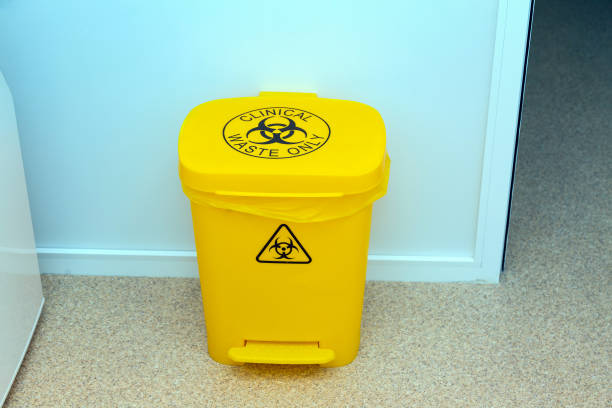
Which Waste Providers in Texas Accept Blood Pressure Medications Like Clonidine?
When you’re looking for which waste providers in Texas accept blood pressure medications like Clonidine?, you’re essentially looking for a medical waste disposal company that handles pharmaceutical waste. Since Clonidine isn’t a controlled substance, you’ll need a provider experienced in general pharmaceutical waste, not necessarily one with specialized DEA controlled substance licenses for this particular drug.
Here’s what to look for and why remedi is a top choice:
- Licensed Medical Waste Transporters: Any company accepting antihypertensive drug waste in Texas must be a licensed medical waste transporter with the TCEQ (Texas Commission on Environmental Quality). This ensures they follow state regulations for collection, transportation, and eventual disposal.
- Pharmaceutical Waste Services: Confirm that the provider explicitly offers pharmaceutical waste management and disposal. Not all general medical waste companies are equipped or trained to handle medications. They should provide specific containers for these types of drugs.
- Understanding of Non-Controlled vs. Controlled: A good provider will clearly understand the difference between non-controlled drugs (like Clonidine) and DEA-controlled substances. This shows they can help you segregate correctly and apply the right disposal protocols for each.
- Comprehensive Solutions: The best partners, like remedi, offer a full range of medical waste services. This means they can handle your Clonidine, your sharps from aphysicians office sharps disposal, your biohazardous waste, and even provideHIPAA OSHA compliance training. This single-source approach simplifies your operations.
- Service Areas: Make sure the provider actually serves your specific location in Texas, whether you’re in a big city or a smaller town. Remedi offers extensive coverage across Texas, including areas likeSan Antonio,Houston,Dallas, andAustin.
For facilities likeclinics and urgent care centers,dental medical garbage disposal, ornursing homes and long-term care, remedi is a proven partner. We safely and compliantly manage all types of pharmaceutical waste, including blood pressure medications like Clonidine, ensuring your clonidine medication disposal is worry-free. Need a reliable Texas waste provider?Choose remedi!