
How Often Should Hospital Medical Waste Be Collected?

Many hospitals set a collection schedule once and never revisit it. But over-scheduling and under-scheduling both create serious issues—financially, logistically, and from a safety standpoint. A smart waste plan starts with right-sizing collection frequency across all departments.
At remedi, we tailorhealthcare waste disposal schedules to fit actual need—not guesswork. Whether it’ssharps waste or regulated medical waste, we look at how fast bins fill, where waste accumulates, and which areas require extra care.
Overflow Creates Risk and Cost
When containers stay full for too long, the risks grow fast:
- Red bag liners spill over
- Sharps containers stay uncovered
- Biohazard bags block hallways or storage closets
- Staff may start storing waste in places that aren’t approved
These are red flags during inspections and create real danger for both employees and patients. Overflowing containers can lead to needle sticks, slips, and contamination risks—and they’re one of the first things regulators notice.
Infections and Inspections Go Hand in Hand
Waste that lingers too long increases infection risk. This is especially true in high-turnover areas like the ER, ICU, and outpatient surgery. Bacteria, viruses, and biohazards don’t stay put—they spread.
Improper waste collection frequency has been cited in countless failed audits. State health inspectors and agencies like the Joint Commission watch closely for:
- Full containers not sealed
- Medical waste stored longer than permitted
- Unlabeled bags and containers
- Overflow in patient-facing areas
We’ve seen hospitals fail inspections over something as simple as missing a scheduled pickup.
Costs Climb When Frequency Is Off
You lose money two ways:
- Paying for pickups when bins are barely full
- Paying fines or facing shutdowns because bins are too full
Neither is ideal. That’s why hospitals come to us to evaluate their pickup frequency across every department. With the rightbiohazard waste andmail-back containers in place, we help reduce trips without risking compliance.
Factors That Impact Pickup Frequency
Setting the right collection schedule isn’t about guesswork—it depends on how much waste your hospital produces, and where. We’ve worked with every kind of facility, and we always start by reviewing the basics.
Waste Volume Drives Everything
The more waste your hospital generates, the more often it needs to be collected. But volume can shift based on season, staffing, or procedures offered. If your waste program hasn’t changed in a year or more, there’s a good chance it’s no longer aligned with your current flow.
Department Type Makes a Big Difference
Each department generates different waste types:
- Surgery centers produce more sharps and red bag waste
- Labs and pharmacies may createhazardous orpharmaceutical waste
- Long-term care units may generate less frequent but high-riskcontrolled substances
We help hospitals align pickup schedules to department-specific needs, so nothing gets missed—or collected too often.
Generator Status Matters Legally
Your hospital’s generator status—small, large, or conditionally exempt—determines your legal responsibilities. If your volume changes and you don’t adjust your pickup frequency or reporting, you could be out of compliance fast.
We help our clients stay on top of their generator classification and adjust accordingly. For low-volume areas, we often usemail-back containers to simplify things without skipping regulatory steps.
Storage Capacity Sets the Limit
You can only store so much waste on-site before you’re in violation. We evaluate how much space you have for biohazard, pharmaceutical, andsharps containers, then design a collection plan that keeps you safe, compliant, and organized.
Hospitals that skip this step often find themselves with overflowing storage closets or staff unsure where to place sealed containers. That’s a fast track to a failed inspection.
We bring everything together—volume, department flow, storage space, and regulations—to help hospitals create a pickup plan that actually works. This isn’t guesswork. It’s strategic planning that saves money and prevents compliance issues.
Daily, Weekly, Or Monthly: What Works Best?
Hospitals ask this question all the time—how often should medical waste be collected? The answer depends on what kind of waste you’re talking about. A one-size-fits-all schedule just doesn’t work. Different departments generate different waste at different rates, and the collection plan needs to reflect that. At remedi, we help hospitals customize pickup timing based on real data—not guesswork.
Sharps vs Red Bag Waste
Sharps waste fills up quickly in most departments. Syringes, lancets, and scalpels go straight into puncture-proof containers. Because sharps containers can’t be compacted and shouldn’t be overfilled, we usually recommend more frequent pickups in high-traffic areas like ERs or urgent care clinics.
Red bag waste, on the other hand, is bulkier and varies more by department. Operating rooms and labor-and-delivery units tend to fill red bags fast, while admin areas might only need weekly removal. We review usage patterns before setting a fixed schedule.
Hospitals that already usesharps waste services with us see smoother waste flow because their pickup frequency actually matches their volume.
RCRA Hazardous Waste Needs Special Timing
Not all waste can wait until next week. Any RCRA-regulated materials—like certain chemo drugs or lab solvents—must be handled on strict schedules based on generator status. Large quantity generators often need weekly or bi-weekly pickups. Small quantity generators may have more flexibility, but they still need a plan.
If your hospital storeshazardous waste longer than allowed under your generator status, you’re at risk for violations. We make sure that doesn’t happen by aligning collection frequency with state and federal guidelines.
Chemo and Trace Chemo Require Their Own Rhythm
Pharmacies and infusion centers that deal with chemo waste must follow specific disposal protocols to comply with CDC’s guidance for infection control. Trace chemo waste needs to be separated from regular biohazard waste and often gets overlooked during scheduling.
We help set collection schedules that match chemo drug usage, not just red bag volume. If you’re already managingpharmaceutical waste with us, we make sure trace chemo disposal fits into your overall waste strategy without missing regulatory details.
Low-Volume Generators Can Use Mail-Back Options
Not every facility needs weekly pickups. Smaller departments, satellite offices, or rural clinics may only fill containers monthly. For these locations, ourmail-back containers are a smart, affordable alternative to on-site pickup. They’re compliant with DOT and USPS standards and easy for staff to use.
Our team helps hospitals figure out which departments qualify as low-volume generators and which ones don’t. That way, you’re never paying for pickups you don’t need—or skipping ones you do.
What Collection Plans Look Like In Practice
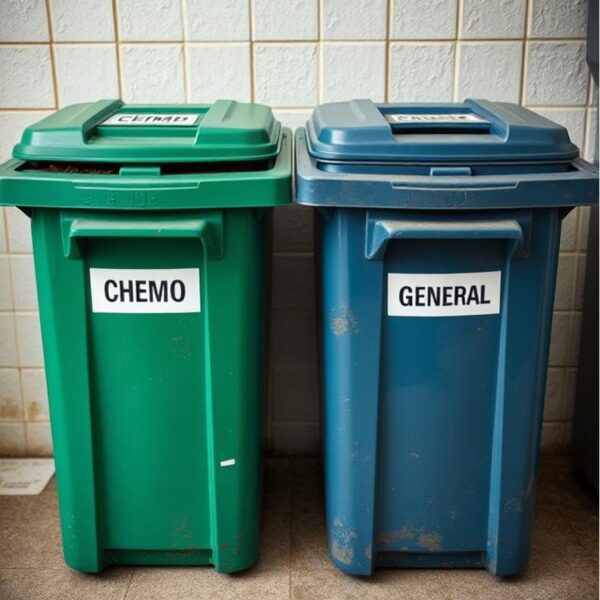
Every hospital is different. A fixed rule about when to collect waste just doesn’t work. That’s why we build practical, department-specific waste plans for our clients. Here’s what that looks like in real life.
Medium-Sized Hospital with Multiple Buildings
One client, a 300-bed hospital with an ER, OR, and maternity wing, was dealing with constant waste overflow. Our walkthrough showed red bags were being removed too slowly in some areas and too often in others. We helped them move to a split schedule:
- OR and ER got dailybiohazard waste pickups
- Maternity shifted to every other day
- Admin buildings went to weekly
- The entire system got new container tracking tools and updated SOPs
Waste volume dropped, compliance improved, and costs went down.
Dialysis Center with Inconsistent Loads
A standalone dialysis unit was paying for weekly service, but waste bins were only half-full most of the time. We switched them to a biweekly pickup with emergency on-call support if needed. Their staff now logs container fills weekly, and we monitor it too.
Using ourdialysis waste disposal system, they saw a 28% drop in costs with zero compliance issues.
Outpatient Facility with Heavy Foot Traffic
Another client, a high-traffic outpatient clinic with same-day procedures, needed a mix ofsharps and red bag pickups. We set up:
- Twice-weekly sharps removal
- Weekly red bag pickups
- Monthlycontrolled substance disposal for expired meds
This allowed them to stay compliant and clean without paying for extra pickups.
Nursing Home Hybrid Approach
Long-term care facilities like nursing homes often generate less waste, but they still need a clear plan. In one case, we helped a Texas-based facility implementnursing home waste disposal by combining monthly red bag pickups with mail-back sharps containers for their medication rooms.
The result: lower costs, no overfilled bins, and a smoother process for nursing staff.
Each of these setups is built on what works—not just what’s common. Hospitals that partner with us get customized collection schedules that evolve with their needs, not stuck in old contracts that don’t reflect reality.
How remedi Adjusts Plans to Fit Hospital Needs

Every hospital has its own rhythm. Some departments run 24/7 and generate large amounts of waste fast. Others have lighter output but need stricter compliance controls. That’s why we never push one standard schedule. Instead, we build waste collection plans that match how your facility actually operates—while keeping you compliant every step of the way.
On-Demand Pickups Prevent Overflow
Overflowing bins are a signal that something’s off. Whether it’s red bag waste in the OR,sharps disposal in a med-surg unit, orbiohazardous waste in a pharmacy, too much sitting waste increases infection risk, triggers compliance issues, and raises costs.
That’s why we offer on-demand pickups alongside routine schedules. If yourdialysis unit spikes in volume one week and slows the next, we adjust. If yourambulatory surgical center sees increased cases mid-month, we’re ready.
We’ve also helped facilities usingmail-back containers at satellite clinics bridge the gap between volume changes and proper disposal timelines.
Routine Audits Catch Compliance Risks Early
Most hospitals don’t fail inspections because of major problems. It’s usually small things: missing logs, expired SOPs, a poorly labeled bin, or anunsecured document disposal area. That’s why our service at remedi includes built-in compliance audits.
We review your container placement, staff usage habits, andHIPAA and OSHA training logs to make sure you’re staying ahead of violations. We also check how you’re handlingcontrolled substance disposal and if your protocols match DEA and DOT rules.
Facilities usingpharmaceutical waste disposal services benefit from regular checks to ensure everything is being segregated and labeled the right way.
Overflow Control For High-Traffic Departments
We see the highest waste volumes in areas like:
- Emergency departments
- Operating rooms
- Clinical testing labs
- Oncology units
- Long-term care wings
We manage overflow by setting up the right mix of high-capacity containers,sharps-only stations, chemo-specific disposal plans, and high-frequency service loops. That way, your team isn’t forced to stack waste or leave bins sitting full.
If you’re dealing with a blend of waste types like chemo, RCRA hazardous, and red bag waste, ourhazardous waste solutions help separate and document everything for full compliance.
SOPs That Actually Match What You Do
We help you put together SOPs that cover real workflows—not just paperwork. That includes how to label containers, when to schedule pickups, what to do with expired medications, and how to protect data throughsecure shredding services. Everything is aligned withHIPAA and OSHA so you’re not scrambling when inspections hit.
We also review your plans regularly, especially if you’re in a facility with changing departments, rotating staff, or new waste streams likedental medical waste.
Your waste management shouldn’t be reactive. With us, it’s proactive and dialed in.
If you’re ready to upgrade your hospital’s medical waste plan to something that actually fits your needs and protects your team, contact us. At remedi, we’ll walk through your current system and show you how to improve it—without disrupting care.