
Is Dried Blood a Biohazard in Arizona? Know Legal Classification and Disposal Steps
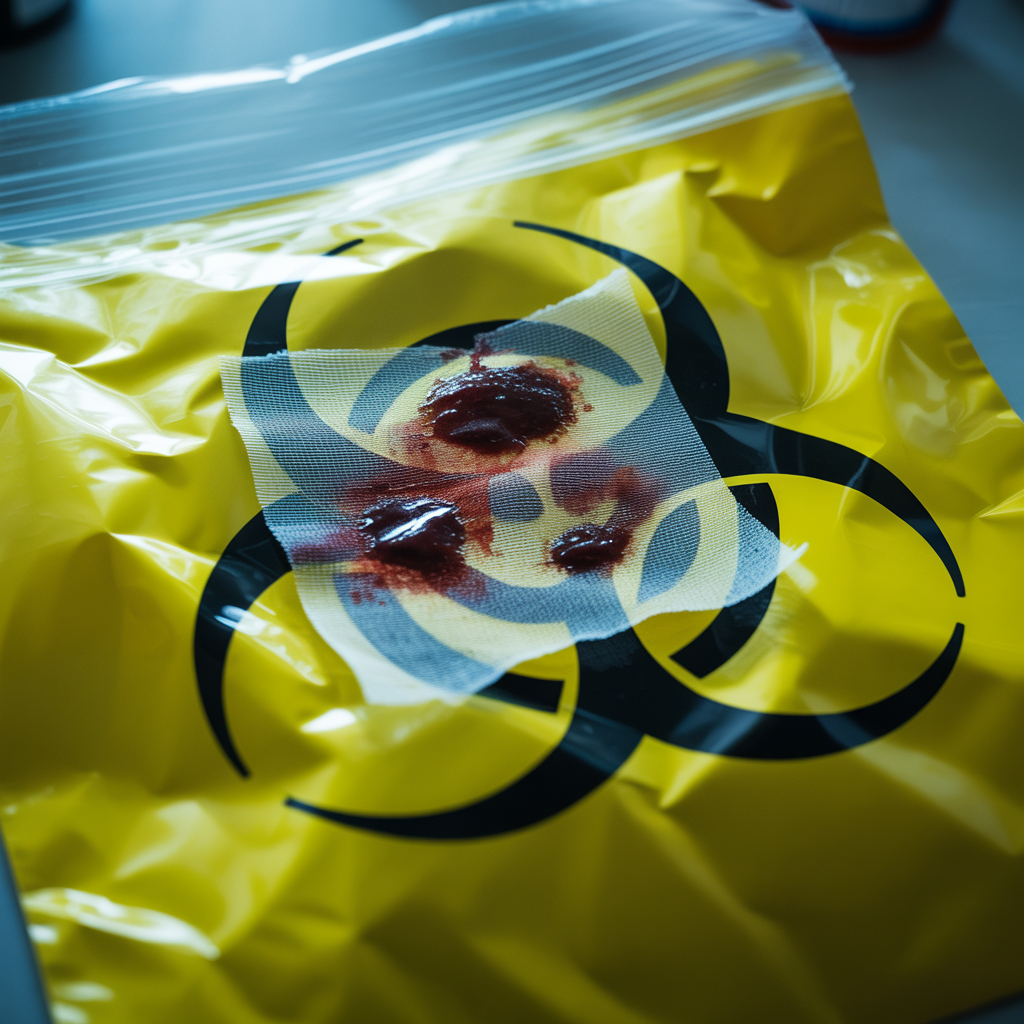
A common question in healthcare facilities across Arizona is whether dried blood poses the same biohazard risk as fresh, liquid blood. Understanding ifis dried blood a biohazard in Arizona is critical for proper waste management and staff safety. While the risks might seem different, Arizona’s Department of Environmental Quality (ADEQ) and Occupational Safety and Health Administration (OSHA) regulations generally classify dried blood-contaminated materials as infectious medical waste, requiring careful handling and specific disposal procedures.
Is Dried Blood Considered Infectious Medical Waste in Arizona?
Arizona’smedical waste law Arizona takes a cautious approach. It recognizes that even dried blood can contain viable pathogens capable of transmitting disease, especially if the blood can become re-liquidized or if dried particles can become airborne. The primary concern revolves around the potential for exposure to bloodborne pathogens like HIV, Hepatitis B, and Hepatitis C. Therefore, for most practical purposes in healthcare settings, materials contaminated with visible dried blood are treated as biohazardous.
For example, items from adialysis waste disposal Arizona center or aveterinary waste disposal animal hospital that contain dried blood are typically managed under strict biohazard disposal guidelines. This cautious approach minimizes risk and ensures that staff are consistently protected. remedi helps Arizona facilities navigate these guidelines, providing clear answers on ifis dried blood a biohazard in Arizona and offering compliant solutions for its disposal. We ensure your facility meets all requirements under currentmedical waste law Arizona.
How Does Arizona Law Define and Regulate Dried Blood?
Arizona law, primarily enforced by the Arizona Department of Environmental Quality (ADEQ), provides specific definitions and regulations for medical waste, which often includes dried blood. When it comes todried blood waste classification, Arizona follows a comprehensive approach that prioritizes public health and safety. Facilities generating this type of waste must adhere to strict guidelines for handling, storage, and disposal to avoid penalties and ensure compliance withmedical waste law Arizona.
Key Legal Definitions and Requirements
Arizona’s definition of “infectious waste” is broad and generally encompasses items contaminated with blood. While liquid blood is unequivocally infectious, items with dried blood are typically included if they have the potential to release infectious material.
- Volume and State: The law considers whether the dried blood can flake off or if the item is saturated enough that it could potentially re-wet and release liquid blood. Small, trace amounts on non-sharp items that are fully dried and cannot be easily dislodged might sometimes be exempted, but the standard practice, for safety, often errs on classifying them as biohazardous.
- Source of Contamination: Waste from healthcare facilities, research laboratories, and other medical settings is under closer scrutiny. A used bandage with dried blood from anursing home medical waste disposal facility, for example, is treated differently than a stained shirt from a domestic setting.
- Universal Precautions: Healthcare settings are always advised to follow Universal Precautions, treating all blood and bodily fluids as potentially infectious. This principle guidesdried blood waste classification even for dried forms.
These definitions mean that any waste containing dried blood, unless explicitly exempted and proven to be non-infectious, falls under the state’s regulated medical waste rules forbiohazard disposal Arizona. remedi possesses deep expertise in Arizona’smedical waste law Arizona, providing facilities with precise guidance ondried blood waste classification and ensuring fully compliant collection and disposal services. For specific questions about your waste, feel free tocontact remedi.
When Is Dried Blood Treated the Same as Fresh Blood in Disposal?
While fresh, liquid blood is universally recognized as a biohazard, the handling of dried blood can sometimes cause confusion. However, undermedical waste law Arizona, dried blood is very often treated with the same stringent disposal requirements as fresh blood, especially in healthcare settings. This approach is taken to uphold maximum safety standards and to simplify compliance, minimizing the risk of exposure to potential pathogens during thebiohazard disposal Arizona process.
Scenarios Requiring Identical Treatment
Dried blood is typically handled exactly like fresh blood in disposal in the following scenarios:
- Sharps Contamination: Any sharp object, such as needles, scalpels, or broken glass, that has come into contact with any amount of blood, wet or dried, must be disposed of in a puncture-resistant sharps container. This is a non-negotiable rule, regardless of the blood’s state, and applies across all facilities including those performingphysicians’ office sharps disposal Arizona.
- Flake-Off Potential: If the dried blood is on a material in such a way that it can easily flake off or become airborne, it is treated as a biohazard. The concern here is the potential for inhalation or contact with mucous membranes.
- Saturation Leading to Dripping: If a material was once saturated with blood and has since dried, but is still significantly contaminated and poses a risk if re-wetted, it will be handled as regulated medical waste. This falls under the general guidelines fordried blood waste classification.
- Uncertainty Principle: Many facilities opt for a “better safe than sorry” approach. Rather than attempting to discern if a specific piece of dried blood meets the “trace amount” exemption, they classify all visibly blood-contaminated waste as biohazardous to streamline processes and prevent accidental exposure or non-compliance. This is a practical application ofmedical waste law Arizona.
For reliablebiohazard disposal Arizona, remedi provides the necessary containers and services, ensuring all your blood-contaminated waste, whether fresh or dried, is handled according to the strictest standards. Our expertise helps you understand whenis dried blood a biohazard in Arizona for proper disposal.

What Are the Risks of Mishandling Dried Blood in Healthcare Settings?
Even though it’s dried, mishandling blood-contaminated materials still presents significant risks in healthcare settings. It’s crucial to remember thatis dried blood a biohazard in Arizona is generally answered with a resounding yes, because the potential for exposure to bloodborne pathogens remains. Ignoring proper protocols forbiohazard disposal Arizona can lead to serious health consequences for staff, patients, and the community, along with severe legal and financial repercussions for the facility undermedical waste law Arizona.
Potential Hazards of Improper Handling
The risks associated with dried blood stem from its ability to still contain active viruses and bacteria, even after visible moisture has evaporated.
- Aerosolization: Dried blood can become pulverized into fine particles, especially through sweeping or improper handling. These airborne particles can then be inhaled or settle on surfaces, leading to exposure through respiratory pathways or contact. This is a concern in environments like aclinical waste disposal Arizona lab.
- Re-liquefaction: If dried blood comes into contact with moisture (e.g., cleaning solutions, condensation, or bodily fluids), it can re-liquefy, reactivating pathogens and allowing for skin or mucous membrane exposure.
- Puncture Wounds: Even dried blood on sharps (like needles or broken glass) can transfer pathogens if the sharp pierces the skin. This highlights whysharps waste management and disposal rules are so strict, regardless of the blood’s state.
- Environmental Contamination: Improper disposal allows pathogens to enter the environment, posing a risk to waste handlers, animals, and the general public.
Understanding these risks is vital for effectivedried blood waste classification and ensuring the safety of everyone. remedi provides comprehensive training resources and compliant services to help facilities minimize these risks, ensuring all waste is handled safely and effectively according tomedical waste law Arizona.
What Type of Waste Container Should Be Used for Dried Blood?
Choosing the correct waste container for dried blood-contaminated materials is a critical step in effectivebiohazard disposal Arizona. The type of container depends heavily on whether the item is sharp or non-sharp, but the underlying principle is always containment and clear identification as hazardous. Adhering to the right container guidelines is mandated bymedical waste law Arizona and is essential for preventing exposure and ensuring the integrity of thedried blood waste classification process.
Proper Containment for Dried Blood
The primary goals of waste containers for dried blood are to prevent leakage, spills, and accidental punctures.
- Non-Sharp Contaminated Materials: For items like gauze, bandages, or PPE that are saturated with dried blood but are not sharp, a red biohazard bag is the standard. These bags are leak-proof, tear-resistant, and clearly marked with the universal biohazard symbol. They are used for items from various settings, includingnursing home medical waste disposal.
- Sharps Contaminated with Dried Blood: Any sharp object, regardless of the amount or state of blood contamination, must be placed immediately into a rigid, puncture-resistant sharps container. These containers are specifically designed to prevent needlesticks and other injuries. Examples include used needles fromphysicians’ office sharps disposal Arizona. Once full, sealed sharps containers are then often placed into a red biohazard box for transport.
- Pathological Waste: Any human tissue or anatomical waste with dried blood should be placed in appropriate, leak-proof containers, often double-bagged in red biohazard bags or placed in specialized containers, for subsequentbiohazard disposal Arizona.
Using the correct container is not merely a suggestion; it’s a fundamental requirement ofmedical waste law Arizona. remedi provides a full range of compliant containers specifically designed for various types of biohazardous waste, simplifying yourdried blood waste classification and disposal efforts. For the right waste containers for your needs,contact remedi.
How Can You Train Staff on Identifying and Disposing of Dried Blood Safely?
Effective staff training is the cornerstone of safe and compliant biohazard waste management, especially when dealing with dried blood. Given thatis dried blood a biohazard in Arizona under most circumstances, proper training ensures that all personnel understand the risks, the correctdried blood waste classification protocols, and the appropriatebiohazard disposal Arizona procedures. This proactive approach helps protect your team and ensures your facility remains in compliance with all aspects ofmedical waste law Arizona.
Key Elements of Effective Training
Training programs should be comprehensive, engaging, and regularly updated to reflect the latest regulations and best practices.
- Defining Biohazard: Start by clearly defining what constitutes a biohazard, specifically addressing how dried blood is classified under Arizona law. Use visual examples to illustrate different levels of contamination.
- PPE Use: Thoroughly train staff on the proper selection, donning, doffing, and disposal of personal protective equipment (PPE) when handling any blood-contaminated materials. This includes gloves, gowns, and eye protection. remedi also offershipaa osha compliance training Arizona that covers these essential topics.
- Waste Segregation Rules: Emphasize the critical importance of immediate and correct waste segregation at the point of generation. This means knowing which container to use for sharps versus non-sharps with dried blood.
- Spill Response: Train staff on how to safely handle spills involving dried blood, including cleanup procedures and appropriate disinfection.
- Emergency Procedures: Ensure everyone knows what to do in case of accidental exposure or injury, including first aid and reporting protocols.
- Regular Refreshers: Conduct annual or biennial refresher training sessions and update staff on any changes inmedical waste law Arizona.
remedi is a partner in compliance, offering not just disposal services but also valuable insights and resources to help you educate your staff. By fostering a culture of safety and compliance, you effectively managedried blood waste classification and maintain safebiohazard disposal Arizona practices. Partner with remedi for expert training and waste management solutions, and to ensure your facility is always in line withmedical waste law Arizona.