
What Goes in Black Pharmaceutical Waste Containers? Sort and Dispose Medications Properly
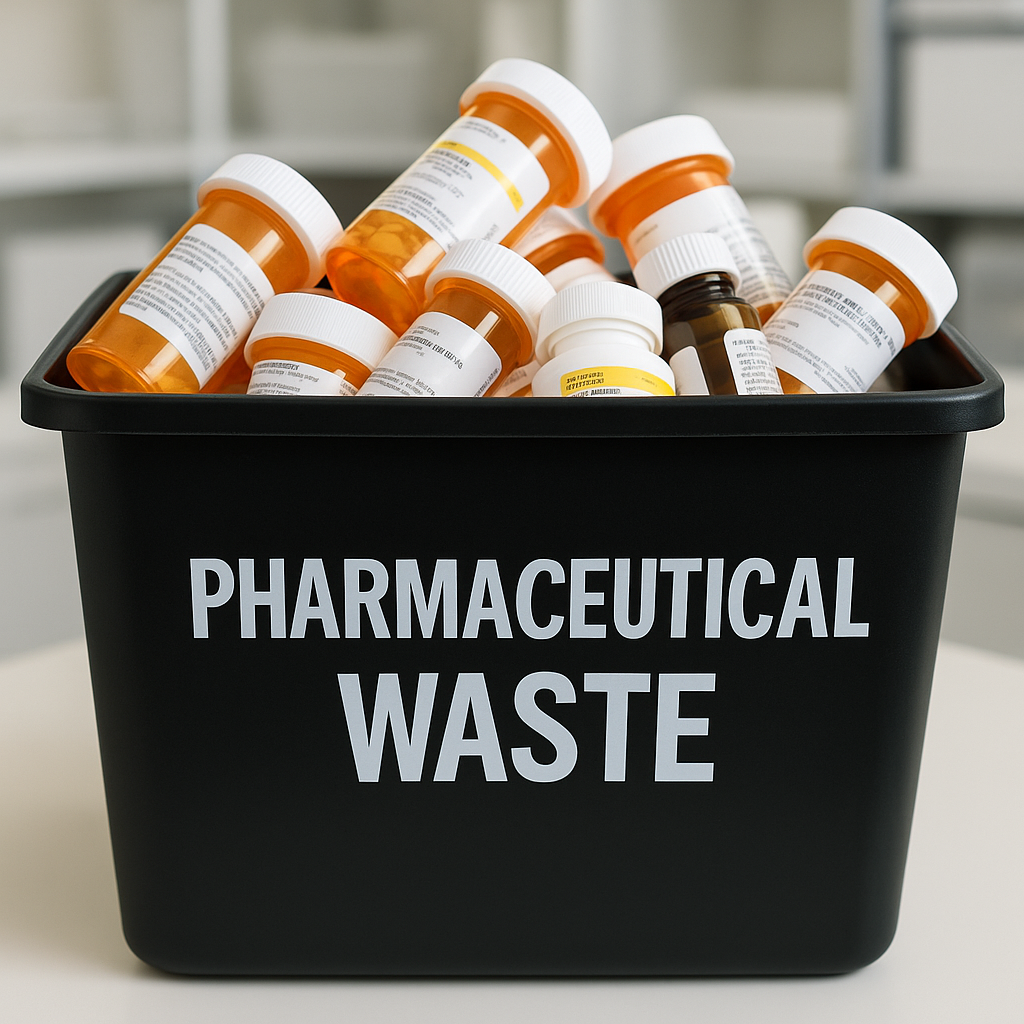
Black pharmaceutical waste containers serve a very specific and crucial role in healthcare facilities: they are designed for the safe and compliant disposal of certain types of non-hazardous pharmaceutical waste. When askingwhat goes in black pharmaceutical waste containers, it’s essential to understand that their primary purpose is to keep these specific medications out of the general waste stream and the sewer system. This prevents environmental contamination and ensures compliance with strict regulations governingpharmaceutical waste disposal. remedi emphasizes the importance of this specialized segregation.
What Is the Purpose of Black Pharmaceutical Waste Containers?
These black containers are part of a comprehensive waste segregation strategy, preventing mixing non-hazardous pharmaceuticals with other waste types, such as hazardous waste or regulated medical waste. remedi assists facilities in setting up these clear segregation systems.
- Environmental Protection: Disposing of pharmaceuticals, even non-hazardous ones, down the drain or in regular trash can lead to drug residues entering water systems, which impacts ecosystems and potentially human health. Black containers ensure these drugs are incinerated or otherwise properly treated, a key part of responsiblepharmaceutical waste disposal.
- Regulatory Compliance: Regulatory bodies, including the EPA and state environmental agencies, have strict rules aboutpharmaceutical waste disposal. Using designated containers like these black ones demonstrates a commitment to compliant waste management. Improper disposal can lead to significant fines for facilities, and remedi ensures your compliance.
- Waste Stream Optimization: By separatingnon-hazardous drug waste into specific containers, healthcare facilities can streamline their overall waste management process and reduce the risk of cross-contamination. remedi’s services are designed to help you optimize these waste streams efficiently.
Understandingwhat goes in black pharmaceutical waste containers is a key step towards responsible environmental stewardship and regulatory adherence. remedi provides properly marked and designed black containers as part of our comprehensivepharmaceutical waste disposal services, ensuring your facility manages its waste with confidence and compliance.
What Medications Should Be Disposed of in a Black Container?
Knowing exactlywhat medications should be disposed of in a black container is crucial for proper pharmaceutical waste management. The black container is specifically designed for certain types ofnon-hazardous drug waste that do not fall under other regulated categories but still require incineration for proper disposal. This ensures that medications are diverted from landfills and water systems, aligning with best practices forpharmaceutical waste disposal. remedi simplifies this complex classification.
Examples of Black Container Medical Waste
The primary contents of black containers are typically non-RCRA (Resource Conservation and Recovery Act) hazardous pharmaceuticals that are safe for incineration. These are medications that, if discarded in regular trash or down the drain, could negatively impact the environment. remedi’s expertise helps identify these materials.
- Bulk Chemo Waste (Trace Contaminated): Items like empty IV bags and tubing used for chemotherapy that contain trace amounts (not saturated or dripping) of certain hazardous chemotherapy agents. Note: Bulk or recognizable hazardous chemotherapy waste goes into separate, yellow containers, a service also offered by remedi.
- Expired or Unused Non-Hazardous Pharmaceuticals: Many common medications that are expired, unused, or dispensed but not administered and are not otherwise classified as hazardous or controlled substances. This includes:
- Antibiotics (most oral and injectable forms)
- Statins
- Antihypertensives
- Vitamins and supplements (if they are considered pharmaceuticals)
- Over-the-counter medications that have been rendered unusable or expired.
- Select OTC and Rx Medications: Medications that are not federally regulated hazardous waste but still require controlled destruction due to their active ingredients or potential environmental impact. These fall underblack container medical waste guidelines, and remedi provides the compliant containers.
It’s important to remember that controlled substances, even if non-hazardous, have their own specific disposal requirements and usually go into a different type of container (often white or specific controlled substance disposal systems), for which remedi also offers solutions likecontrolled substance disposal. remedi specializes in guiding facilities through the complexities ofpharmaceutical waste disposal, ensuring you correctly identifywhat medications should be disposed of in a black container to maintain compliance.

How Do You Distinguish Between Hazardous and Non-Hazardous Drugs?
Differentiating between hazardous andnon-hazardous drug waste is one of the most challenging aspects of pharmaceutical waste management. Misclassification can lead to serious compliance issues, environmental harm, and increased costs. Understanding the criteria is essential for correctly determiningwhat goes in black pharmaceutical waste containers versus other waste streams. This distinction is the bedrock of compliantpharmaceutical waste disposal, and remedi can provide the clarity you need.
Understanding RCRA and Beyond
The primary framework for distinguishing hazardous from non-hazardous drugs comes from the Resource Conservation and Recovery Act (RCRA), enforced by the EPA. remedi stays up-to-date with all RCRA regulations to better serve our clients.
- RCRA Hazardous Waste: A drug is considered RCRA hazardous if it exhibits one or more of four characteristics, or if it is specifically listed by the EPA.
- P-listed Waste: Acutely hazardous pharmaceuticals (e.g., arsenic trioxide, nicotine, warfarin >0.3%). These are extremely dangerous even in small amounts.
- U-listed Waste: Toxic wastes (e.g., chloral hydrate, some chemotherapy drugs like cyclophosphamide).
- Characteristic Waste:
- Ignitable: Flammable liquids (e.g., alcohol solutions >24%), solids, or oxidizers.
- Corrosive: Highly acidic or basic (pH <2 or>12.5).
- Reactive: Unstable, potentially explosive, or reactive with water.
- Toxic: Containing heavy metals (e.g., mercury, lead) or other toxins that could leach into groundwater.
- Non-RCRA Hazardous Waste (Black Container Waste): These are medications that do not meet the strict RCRA hazardous criteria but still require special incineration to prevent environmental pollution. This is wherewhat goes in black pharmaceutical waste containers comes into play. Most commonly, this includes many common prescription and over-the-counter medications that are not listed or do not exhibit a characteristic.
Many healthcare facilities consult a detailed list of their formulary drugs against RCRA classifications. This is a complex task. remedi offers expert guidance onpharmaceutical waste disposal and can help your facility implement a robust system fornon-hazardous drug waste and hazardous drug segregation. We simplify the complexities ofblack container medical waste classification, allowing you to focus on patient care.Contact remedi for assistance with your specific needs.
Are There DEA Rules That Apply to Black Container Disposal?
When discussingwhat goes in black pharmaceutical waste containers, it’s common to wonder if the DEA (Drug Enforcement Administration) has rules about them. The answer is generally no, not directly. Black containers are primarily for non-controlled, non-RCRA hazardous pharmaceutical waste. DEA regulations specifically govern the handling and disposal of controlled substances, which fall under a different, even stricter set of rules forpharmaceutical waste disposal.
Distinguishing DEA-Regulated Waste
It’s important to understand this distinction to avoid serious compliance issues.
- DEA-Regulated Waste: This refers to controlled substances (e.g., opioids, sedatives, stimulants). The DEA mandates stringent disposal methods for these, often requiring destruction by approved reverse distributors or specific on-site destruction methods that render them non-retrievable. These typically go into white or specific controlled substance disposal containers, not black ones. For facilities handlingcontrolled substance disposal orcontrolled substance disposal Arizona, specialized services are critical.
- Non-DEA-Regulated Waste (Black Container): This is wherenon-hazardous drug waste fits. While not directly regulated by the DEA, the proper segregation and disposal of these medications (like many antibiotics, statins, and over-the-counter drugs) are still crucial for environmental protection and compliance with EPA and state environmental regulations. The purpose ofblack container medical waste is to prevent these from entering landfills or water systems.
While DEA rules don’t directly apply towhat goes in black pharmaceutical waste containers, understanding the full landscape of pharmaceutical waste regulations, including DEA, EPA, and state rules, is vital for comprehensivepharmaceutical waste disposal compliance. remedi provides expert guidance on all types of pharmaceutical waste, ensuring you use the correct containers for every drug, whether controlled, hazardous, ornon-hazardous drug waste.
What Happens to Medications Once They Are in a Black Container?
Once medications are correctly placed in ablack container medical waste receptacle, their journey towards final, safe disposal begins. The dedicated nature of these containers ensures that thenon-hazardous drug waste they hold is handled separately from other waste streams and undergoes a specific treatment process. Understanding what happens next provides confidence that your facility’spharmaceutical waste disposal practices are environmentally sound and compliant.
The Journey to Final Destruction
The process forwhat goes in black pharmaceutical waste containers is designed for complete destruction of the pharmaceuticals.
- Collection by Specialist Providers: Once the black container is full and sealed, it is collected by a licensed medical waste disposal company, like remedi. These providers are equipped and permitted to transport pharmaceutical waste safely and legally.
- Transportation to Treatment Facility: The sealed containers are transported to a specialized waste treatment facility. These facilities are designed to handle various types of medical waste, including pharmaceuticals, under strict environmental controls.
- High-Temperature Incineration: The primary method for disposing of medications from black containers is high-temperature incineration. This process completely destroys the chemical compounds of the drugs, breaking them down into inert gases and ash. This method is crucial for environmental protection, preventing drugs from contaminating soil or water systems.
- Manifest Tracking: Throughout this process, the waste is tracked using a manifest system. This chain of custody documentation ensures accountability from the point of generation to final destruction, proving that yournon-hazardous drug waste was disposed of compliantly.
remedi manages the entire process ofpharmaceutical waste disposal for our clients, from providing the appropriateblack container medical waste containers to ensuring certified incineration and proper documentation. We make sure thatwhat goes in black pharmaceutical waste containers is handled with the highest level of care.

How Can You Train Staff to Use Black Containers Correctly?
Proper staff training is paramount for the successful and compliant use ofblack container medical waste systems. Even with clear guidelines onwhat goes in black pharmaceutical waste containers, human error can lead to misclassification, increasing costs or creating environmental risks. Comprehensive and ongoing training ensures that all personnel involved in handling medications understand their role in properpharmaceutical waste disposal and managingnon-hazardous drug waste.
Essential Training Components for Compliance
An effective training program should be practical, clear, and regularly reinforced to minimize mistakes.
- Clear Classification Rules: Educate staff on the precise definitions of hazardous, controlled, andnon-hazardous drug waste. Provide visual aids or quick reference guides showing examples ofwhat goes in black pharmaceutical waste containers versus other containers.
- Container Identification: Ensure all staff can easily identify the black containers and understand their specific purpose. Highlight that they are for non-RCRA hazardous pharmaceuticals, distinct from red biohazard bags or hazardous waste drums.
- Practical Scenarios: Use real-world examples and scenarios that staff might encounter during their shifts. For instance, what to do with an expired vial of a common antibiotic versus a chemotherapy drug.
- Spill Procedures: Train staff on protocols for managing spills involving pharmaceutical waste, emphasizing safety and containment.
- Regulatory Overview: Provide a basic understanding of the regulations (EPA, state environmental agencies) that mandate properpharmaceutical waste disposal. This helps staff understand the “why” behind the rules.
- Refresher Training: Implement regular refresher training sessions, especially when there are changes in regulations, new drugs introduced, or recurring sorting errors identified. remedi can assist with providing comprehensivehipaa osha compliance training Texas andhipaa osha compliance training Arizona that covers pharmaceutical waste.
By investing in robust training, you empower your staff to make correct disposal decisions, significantly improving your facility’s compliance and safety profile forblack container medical waste. remedi partners with healthcare facilities to develop and deliver effective training programs, simplifying the complexities ofpharmaceutical waste disposal and ensuring correctnon-hazardous drug waste handling.