
What Type of Medical Waste Includes Blood?
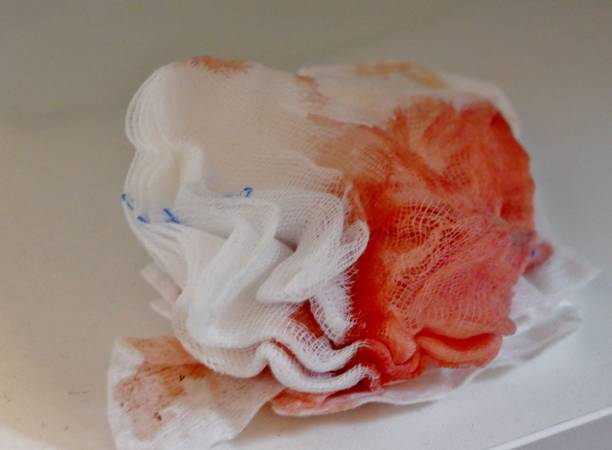
Medical waste, also known as healthcare waste or biohazardous waste, is a broad term for waste generated from healthcare activities. Understanding which type of medical waste includes blood is a key starting point for safe handling and proper disposal. Not all waste from a hospital or clinic is considered medical waste. For example, general office trash from a waiting room is just regular trash. However, waste that could pose a risk of infection or other hazards needs specific management. Regulations set by federal agencies like the EPA and OSHA, along with state environmental and health departments, define what constitutes medical waste and its proper infectious waste classification. This classification determines how waste must be collected, stored, transported, and ultimately disposed of.
Regulated Medical Waste Overview
The term “regulated medical waste” refers to specific types of waste that pose a potential risk to human health or the environment. This is where blood products medical waste, including items that fall under the infectious waste classification, come into play. While exact definitions can vary slightly by state, the main categories generally include:
- Sharps Waste: This category includes any items that can cut or puncture skin, such as needles, syringes with needles, scalpels, and broken glass contaminated with medical materials. These are a major concern for injury and pathogen transmission. Proper handling of sharps is crucial for safety and requires specific containers, as discussed insharps waste management and disposal andsharps waste management and disposal guidelines.
- Pathological Waste: This consists of human anatomical waste, including tissues, organs, body parts, and fluids removed during surgery, autopsy, or other medical procedures. This type of waste inherently involves blood products medical waste.
- Cultures and Stocks of Infectious Agents: This category includes highly concentrated infectious materials from laboratories, such as cultures from patient samples or stocks of viruses and bacteria. These carry a high risk of infection.
- Contaminated Animal Carcasses, Body Parts, and Bedding: From veterinary facilities, if animals were exposed to infectious agents in research or treatment, their remains and associated waste are considered medical waste. This applies to facilities utilizingveterinary waste disposal animal hospital Texas.
- Blood and Blood Products: This is the core focus when asking which type of medical waste includes blood. It includes liquid blood, blood components, items saturated or dripping with blood, and dried blood that could flake off. This category directly leads to the need for red bag waste handling.
Other Important Medical Waste Types
Beyond the infectious waste classification, medical facilities also handle other regulated waste streams:
- Pharmaceutical Waste: Expired, unused, or contaminated medications that are not otherwise classified as hazardous waste by the EPA, but still require special disposal. This can include items like those handled bypharmaceutical waste management and disposal.
- Hazardous Waste: Chemicals, certain pharmaceutical waste, and other materials that are ignitable, corrosive, reactive, or toxic, as defined by EPA regulations. This differs from infectious waste but also requires specialized management, such ashealthcare hazardous waste disposal Arizona.
remedi provides comprehensive solutions for managing all these categories of medical waste. We specialize in ensuring that facilities understand precisely which type of medical waste includes blood and how to handle it, maintaining strict adherence to infectious waste classification and proper red bag waste procedures.
How Is Blood Waste Classified Under Federal and State Law?
The classification of blood waste is a critical aspect of medical waste management, directly addressing the question of which type of medical waste includes blood. Both federal and state laws are very clear on this. At the federal level, the Occupational Safety and Health Administration (OSHA) Bloodborne Pathogens Standard (29 CFR 1910.1030) plays a significant role in defining and regulating blood and other potentially infectious materials (OPIM). This standard protects workers from exposure to bloodborne pathogens, like HIV, Hepatitis B, and Hepatitis C, found in blood products medical waste. This regulation drives many of the requirements for infectious waste classification.
Federal Definitions and Regulations
Under OSHA’s standard, “blood” refers to human blood, human blood components, and products made from human blood. “Other Potentially Infectious Materials” (OPIM) include a range of human body fluids (like semen, vaginal secretions, cerebrospinal fluid, synovial fluid, pleural fluid, pericardial fluid, peritoneal fluid, amniotic fluid, saliva in dental procedures, any body fluid that is visibly contaminated with blood, and all body fluids in situations where it is difficult or impossible to differentiate between body fluids). Additionally, any unfixed tissue or organ (other than intact skin) from a human, living or dead, and HIV-containing cell or tissue cultures, organ cultures, and other solutions, are also considered OPIM. Therefore, waste contaminated with these substances falls under the infectious waste classification, requiring specific handling as red bag waste. This is central to understanding which type of medical waste includes blood.
State-Specific Classifications and Terms
While federal OSHA provides a baseline, states often have their own specific definitions and regulations for medical waste, sometimes using different terminology. For example, some states may use terms like “biomedical waste,” “biohazardous waste,” or “infectious waste” interchangeably with “regulated medical waste.” Regardless of the term, the underlying principle remains consistent: waste contaminated with blood or OPIM is considered a significant risk and requires special handling. For instance, in Texas, the Department of State Health Services (DSHS) regulations govern how facilities manage this waste, specifying requirements forhealthcare hazardous waste disposal. Similarly, Arizona’s Department of Environmental Quality (ADEQ) and Department of Health Services (ADHS) enforce rules for medical waste, including stringent requirements for any waste where which type of medical waste includes blood. These state rules will define how blood products medical waste is ultimately treated and disposed of.
remedi is well-versed in both federal and state-specific regulations governing infectious waste classification. We provide comprehensive services formedical waste disposal companies andmedical waste disposal companies Arizona, helping facilities ensure that their blood-contaminated waste is accurately identified and managed in compliance with all relevant laws, including strict guidelines for proper red bag waste disposal. Our expertise in navigating these complex regulatory landscapes ensures your facility maintains full compliance.
What Type of Packaging Is Required for Blood-Contaminated Waste?
Proper packaging for blood-contaminated waste is a critical step in ensuring safety and compliance within the infectious waste classification system. Simply knowing which type of medical waste includes blood is not enough; facilities must also understand the specific containers and bags required for its secure containment. This packaging protocol is designed to prevent leaks, spills, and exposure to blood products medical waste during handling, storage, transport, and disposal. Regulatory bodies like OSHA and state health departments mandate these packaging requirements to protect healthcare workers, waste handlers, and the public.

Primary Containment: Red Bags
For non-sharp items contaminated with blood or other potentially infectious materials, the primary containment method is the use of designated red bag waste containers. These bags are:
- Puncture-Resistant: While not as rigid as sharps containers, they are designed to prevent tears and leaks during normal handling.
- Leak-Proof: Constructed from durable materials to contain liquids and prevent spills.
- Clearly Labeled: Marked with the universal biohazard symbol and often “Biohazard” or “Infectious Waste” warnings, making it immediately clear which type of medical waste includes blood.
- Color-Coded: The distinctive red color is a universal indicator for biohazardous waste, reinforcing the infectious waste classification.
These bags should be placed inside rigid, leak-proof containers at the point of generation to further prevent accidental exposure. Once full, the red bag should be securely tied or sealed to prevent spillage. remedi emphasizes the proper use of these containers forbiohazard medication waste disposal andbiohazard medication waste disposal.
Secondary Containment and Sharps Containers
For items that are both sharp and contaminated with blood (e.g., needles, scalpels), specialized rigid, puncture-resistant sharps containers are mandatory. These containers are designed to prevent accidental punctures and are typically made of heavy-duty plastic with a secure, self-closing lid. They are also marked with the biohazard symbol. Even if a sharp contains blood products medical waste, it goes into a sharps container, not directly into a red bag, to prevent needlestick injuries. These containers are then often placed into larger, sturdy red bag waste containers for transport, serving as a secondary containment measure.
All regulated medical waste, including that where which type of medical waste includes blood, must then be placed into secondary containment for transport. This usually involves strong, rigid, leak-proof, and sealable containers or boxes. These secondary containers also bear the biohazard symbol and protect the primary red bags and sharps containers from damage during movement. This multi-layered approach ensures that the infectious waste classification is maintained throughout the waste stream. remedi provides compliant containers and comprehensivemedical waste disposal companies and Arizona services to ensure your facility meets all packaging requirements for blood-contaminated waste, protecting your staff and the environment.
What Facilities Generate Blood Waste Most Frequently?
Understanding which type of medical waste includes blood and how it is classified is critical for a wide range of healthcare facilities. While many medical settings may encounter blood products medical waste occasionally, certain types of facilities generate blood waste much more frequently due to the nature of their services. This high volume of infectious waste classification demands rigorous adherence to disposal protocols, primarily involving proper segregation into red bag waste. These facilities are at the forefront of managing potentially infectious materials and must have robust waste management plans in place.
Healthcare Settings with High Blood Waste Volume
Several types of healthcare facilities are consistently high generators of blood and blood-contaminated waste. These include:
- Hospitals and Emergency Rooms: These facilities deal with a constant flow of patients, leading to procedures, surgeries, and trauma care that routinely generate large amounts of blood products medical waste. This encompasses everything from discarded IV bags with residual blood to surgical sponges soaked in blood.
- Surgical Centers and Operating Rooms: Procedures in these settings, regardless of their complexity, inherently involve the generation of blood and blood-contaminated materials, making them significant sources of infectious waste classification. Proper handling of red bag waste is essential here.
- Clinical Laboratories: Labs process countless blood samples for diagnostic testing daily. While small volumes per sample, the sheer number of tests means a substantial accumulation of blood products medical waste, including tubes, slides, and absorbent materials. For instance,clinical waste disposal Texas services are heavily utilized by these facilities.
- Dialysis Centers: Dialysis treatments involve filtering a patient’s blood, which naturally results in contaminated tubing, filters, and other disposables that fall under the infectious waste classification, making them significant producers of red bag waste.Dialysis waste disposal Arizona services are specialized for this kind of waste.
- Blood Banks and Collection Centers: These facilities collect, process, and store blood. While strict safety measures are in place, accidental spills, discarded blood units, and contaminated equipment lead to a consistent output of blood products medical waste.
Other Significant Generators of Blood Waste
Beyond the primary healthcare settings, other facilities also regularly deal with waste where which type of medical waste includes blood:
- Physicians’ Offices and Clinics: Routine examinations, minor surgical procedures, and blood draws contribute to the generation of blood waste, necessitating clear protocols for red bag waste.Physicians’ office sharps disposal Arizona often includes small amounts of blood-contaminated items.
- Veterinary Hospitals and Clinics: Animal care involves many procedures that generate blood and blood products medical waste, similar to human healthcare. Proper infectious waste classification is vital in these settings.Veterinary waste disposal animal hospital Texas services are specifically tailored for this.
- Dental Offices: Dental procedures can often involve blood-contaminated items like gauze, cotton rolls, and saliva ejectors, requiring careful handling as red bag waste.Dental medical garbage disposal is critical here.
- Nursing Homes and Long-Term Care Facilities: Managing wound care, injections, and other medical interventions for residents can lead to the generation of blood products medical waste, falling under infectious waste classification.Nursing home medical waste disposal must include robust infectious waste protocols.
These facilities all face the common challenge of managing potentially infectious materials, highlighting the universal need to clearly identify which type of medical waste includes blood and to follow strict infectious waste classification and red bag waste disposal rules. remedi provides comprehensivemedical waste disposal companies and Arizona solutions to ensure compliant and safe management of all blood-related waste.
How Do Red Bags Help Segregate Infectious Waste?
When discussing which type of medical waste includes blood, the conversation quickly turns to red bags. These distinctive, brightly colored bags are not just for show; they are a critical component of medical waste management, specifically designed for the segregation of infectious waste. The use of red bags provides a clear, universally recognized visual cue that the contents are potentially hazardous and require special handling, transport, and disposal procedures. This system is fundamental to protecting healthcare workers, waste handlers, and the public from exposure to harmful pathogens, directly addressing the concerns surrounding blood products medical waste.
Visual Identification and Containment
Red bags serve as the primary visual identifier for waste categorized as infectious waste classification. When a medical professional sees a red bag, they immediately know that its contents could pose a biological risk, signifying that which type of medical waste includes blood or other potentially infectious materials. This clear labeling helps prevent accidental mixing with general trash, which could lead to contamination or injury. Beyond visual identification, these bags are typically made of strong, durable, leak-resistant materials that can withstand the rigors of handling and transport without tearing or leaking. This robust containment is essential for preventing spills and exposure to blood products medical waste. The clear labeling and secure containment are core aspects of proper infectious waste classification and safe red bag waste management. Facilities likenursing home medical waste disposal rely heavily on this system.
Segregation at the Point of Generation
The effectiveness of red bags lies in their use at the point of generation. This means that as soon as waste is created that falls under the infectious waste classification – such as items soiled with blood, or other bodily fluids – it should be immediately placed into a red bag lined container. This immediate segregation prevents cross-contamination and ensures that only appropriate waste is designated as red bag waste, avoiding unnecessary costs and risks associated with over-classification. Examples of items that typically go into red bags include:
- Items saturated or dripping with blood, or dried blood that can flake off.
- Contaminated personal protective equipment (PPE) like gloves, gowns, and masks if visibly soiled with blood or other potentially infectious materials.
- Lab waste such as culture dishes and disposable labware that has come into contact with blood products medical waste.
- Pathological waste (human tissues, organs, body parts, and fluids), which is a specific subset of infectious waste, also goes into red bags, often within rigid containers first.
Compliance with Regulations
The use of red bags is not merely a suggestion; it is a regulatory requirement enforced by federal agencies like OSHA (Occupational Safety and Health Administration) and state health departments for the infectious waste classification. These regulations dictate not only what type of medical waste includes blood and goes into red bags but also how these bags must be labeled, handled, stored, and ultimately disposed of. Proper segregation into red bag waste is a key component of a facility’s overall compliance strategy, helping to mitigate fines and ensure worker safety. remedi provides comprehensivebiohazard medication waste disposal andbiohazard medication waste disposal services, emphasizing the correct use of red bags and containers to manage all blood products medical waste, helping facilities maintain strict adherence to infectious waste classification guidelines.

What Are the Fines for Improper Blood Waste Disposal?
Improper disposal of blood waste, including failure to correctly identify which type of medical waste includes blood and neglecting proper red bag waste procedures, carries significant legal and financial consequences. Regulatory agencies at both federal and state levels impose strict penalties for non-compliance with infectious waste classification guidelines. These fines are designed to deter negligence and ensure that medical facilities prioritize public health and environmental safety. The penalties can vary widely depending on the severity and frequency of the violation, but they can quickly accumulate, leading to substantial financial burdens for non-compliant generators of blood products medical waste.
Federal and State Penalties
At the federal level, agencies like OSHA, the EPA, and the Department of Transportation (DOT) have the authority to levy substantial fines for violations related to the handling, storage, and transport of infectious waste classification materials. For instance, OSHA fines can reach tens of thousands of dollars for serious violations, and even higher for willful or repeated offenses, especially concerning bloodborne pathogen standards that dictate how to manage waste where which type of medical waste includes blood. State environmental and health departments also have their own penalty structures. In Texas, the Texas Commission on Environmental Quality (TCEQ) and the Department of State Health Services (DSHS) enforce strict rules for medical waste. Similarly, in Arizona, the Department of Environmental Quality (ADEQ) and the Department of Health Services (ADHS) can impose significant fines for improper disposal of red bag waste and other medical waste violations. These state fines often mirror or exceed federal penalties for improper blood products medical waste management. For example, failing to secure medical waste can lead to immediate citations for anyhealthcare medical waste disposal companies.
Other Consequences of Non-Compliance
Beyond monetary fines, improper blood waste disposal can lead to other severe consequences:
- Legal Action: Serious or repeated violations can result in criminal charges, especially if environmental damage or public health risks are substantial. This can affect individual staff members as well as the facility itself.
- Reputational Damage: News of improper waste handling can severely damage a facility’s reputation, eroding patient trust and potentially leading to a loss of business. This is particularly true for publicly visible operations likemedical waste disposal companies Arizona.
- Cleanup Costs: If improper disposal leads to contamination of a site or environment, the responsible party will be liable for all cleanup and remediation costs, which can be extremely expensive. This is a direct outcome of not properly classifying which type of medical waste includes blood.
- Operational Disruptions: Investigations into non-compliance can lead to operational shutdowns or mandatory training, disrupting patient care and normal business activities. Facilities must ensure theirhipaa osha compliance training Texas covers all waste handling protocols.
Ensuring strict adherence to infectious waste classification and proper red bag waste management is not just about avoiding fines; it’s about upholding ethical responsibilities, protecting public health, and preventing environmental harm. remedi offers comprehensivehealthcare hazardous waste disposal services, helping facilities of all types, includingnursing home medical waste disposal to safely manage their blood products medical waste and avoid the severe penalties associated with non-compliance. Our expertise ensures that every facility understands which type of medical waste includes blood and how to dispose of it safely.