remedi provides targeted waste management solutions designed for the unique needs of dialysis centers, ensuring compliance and safety while allowing you to focus on patient care.
Understanding Dialysis Waste
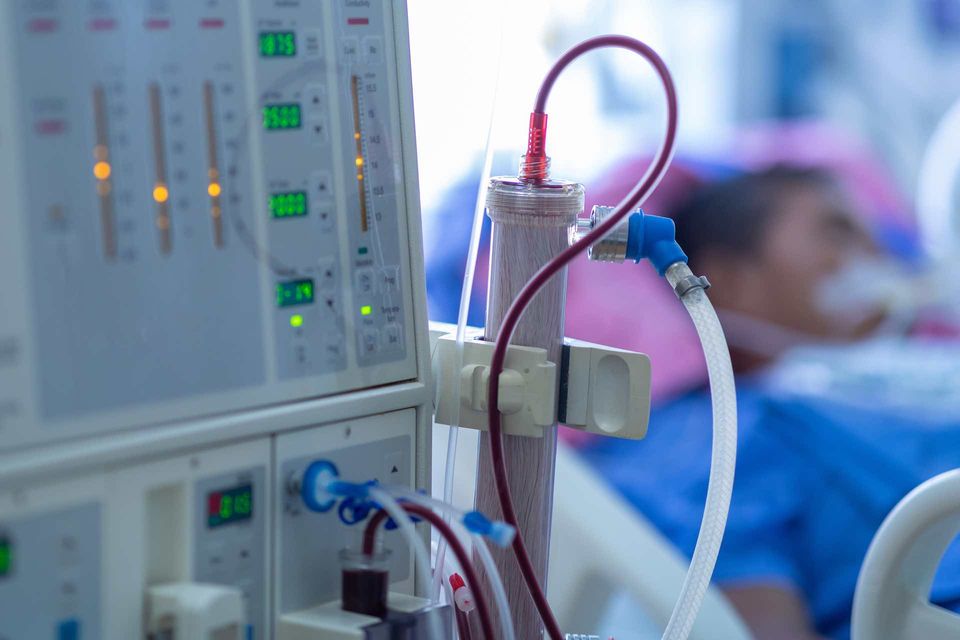
Dialysis waste presents distinct challenges compared to general medical waste. The dialysis process generates significant volumes of contaminated materials, including blood, bodily fluids, and used dialyzers. Improper disposal creates serious health risks and environmental contamination.
Regulations for dialysis waste disposal are stringent and vary by state. Texas maintains specific guidelines ensuring safe handling of this hazardous material to protect healthcare workers and the public. Non-compliance results in substantial fines and legal consequences.
Customized Services from Collection Through Recycling
Cut costs and waste inefficiencies while achieving sustainability goals. With no middlemen, remedi manages your medical waste from start to finish, offering transparency and peace of mind for compliant treatment, recycling, and disposal.
Our Services
- Biohazardous Waste Disposal
- Sharps Waste Management
- Pharmaceutical Waste Disposal
- Controlled Substance Disposal
- Healthcare Hazardous Waste
- OSHA & HIPAA Compliance
- Secure Document Destruction
- Mail-Back Sharps Containers
What Our Clients Say
"remedi is a great partner. They have great technology and a great team."Michael Wurst, CEO, WTS
"They are awesome, very professional, and respond right away. Fantastic customer service."Celeste Chavez, Operations Manager, University Medical Center of El Paso
"We diverted nearly 70% of solid waste from landfill in FY23 largely due to our remedi partnership."Erin L. Dunn, Associate Director of EHS and Biosafety
The remedi Difference
remedi specializes in safe, compliant dialysis waste removal. Our team understands the unique requirements of this waste stream and provides efficient, reliable solutions prioritizing safety and community well-being. We offer on-site pickup, transportation, and final disposal at licensed facilities with full regulatory compliance.
Safe Handling Practices
- Use appropriate containers with proper labeling and segregation
- Maintain dedicated waste storage spaces separate from other streams
- Ensure regular staff training on PPE use and decontamination procedures
- Follow proper protocols using appropriate disinfectants and sterilization techniques